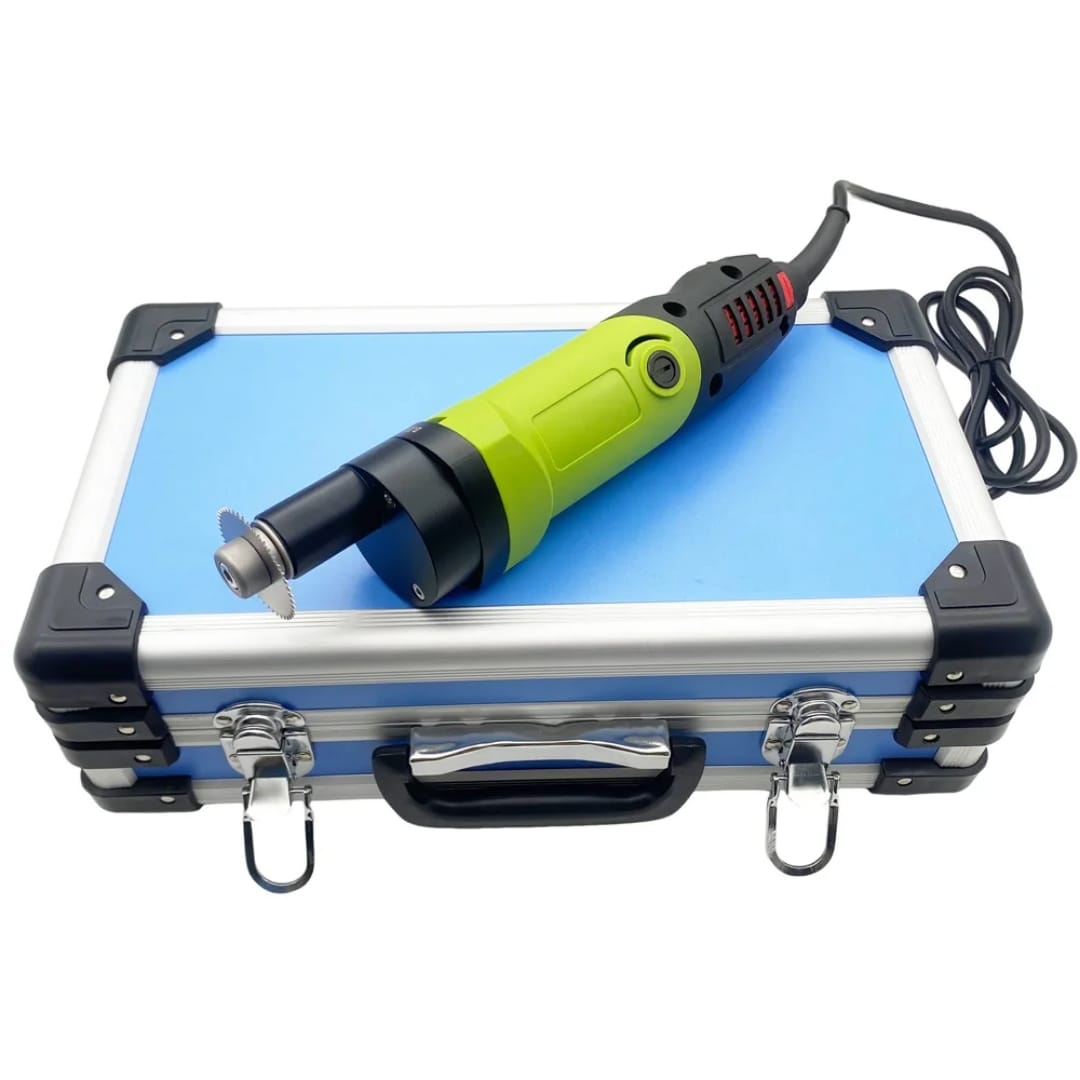

Oscillating Plaster Saw
Oscillating Plaster Saw
An Oscillating Plaster Saw in Kenya is an orthopedic medical tool used to remove plaster and synthetic casts after fracture treatment or other orthopedic procedures. It uses a rapidly oscillating blade to cut through rigid cast materials while allowing trained healthcare professionals to remove the cast in a controlled manner.
It is designed for professional use and requires proper training. The operator must control the blade carefully and follow appropriate cast-removal procedures.
The Science of Oscillation
The blade of an oscillating plaster saw moves rapidly from side to side through a small angle rather than spinning continuously.
This movement allows the blade teeth to break through rigid materials such as plaster and fiberglass. The controlled oscillation also gives the operator greater control when creating a cutting pathway through the cast.
Why It Doesn’t Cut Skin
An oscillating cast saw does not automatically guarantee that skin cannot be injured. Its design reduces the likelihood of cutting soft tissue because skin and other flexible tissues can move with the blade’s oscillating motion, while rigid cast material offers greater resistance.
However, prolonged contact, excessive pressure, poor technique, or a damaged blade can cause injury. For this reason, only trained healthcare professionals should operate the equipment.
Key Components of a Cast Saw
An oscillating plaster saw may include several important components:
- Power Unit: Supplies the energy required to operate the saw.
- Oscillating Head: Produces the back-and-forth movement of the blade.
- Blade: Cuts through plaster, fiberglass, or other suitable cast materials.
- Vacuum Attachment: Helps collect plaster and synthetic dust during removal.
- Handle and Controls: Allow the operator to hold and control the equipment.
Step-by-Step Guide to Safe Cast Removal
Cast removal should always follow the healthcare facility’s procedure and the equipment manufacturer’s instructions. General steps include:
- Explain the procedure to the patient and provide appropriate protective equipment.
- Inspect the cast and identify a suitable cutting pathway.
- Hold the saw securely with the recommended grip.
- Place the blade against the cast and allow the oscillating action to cut the material.
- Apply controlled pressure rather than forcing the blade through the cast.
- Follow the planned cutting pathway while monitoring the patient’s comfort.
- Stop periodically when necessary to prevent excessive blade heating.
- Use appropriate tools to open and remove the cut cast sections.
Healthcare professionals should use suitable protective measures throughout the procedure.
The Role of the Cast Vacuum
Cutting a cast can release plaster or synthetic material particles into the surrounding air. A compatible cast vacuum can collect much of this debris during the cutting process.
Using a vacuum attachment can help keep the treatment area cleaner and reduce airborne dust. Healthcare facilities should also follow their established infection-control and occupational-safety procedures.
Preventing Friction Burns
The blade can become warm during prolonged cutting, particularly when the operator applies excessive pressure or uses a worn blade. Heat can increase the risk of skin irritation or thermal injury.
To reduce this risk, operators should use appropriate pressure, avoid keeping the blade in one position for too long, and allow the equipment to cool when necessary. A sharp, suitable blade can also support more efficient cutting.
Common Mistakes to Avoid
Several mistakes can affect the safety and efficiency of cast removal:
- Dragging the blade unnecessarily across the cast
- Applying excessive downward pressure
- Keeping the blade in one position for too long
- Using a dull or unsuitable blade
- Ignoring excessive heat
- Failing to manage cast dust
- Operating the equipment without proper training
Blade Inspection and Replacement
Inspect the blade regularly for wear, damage, or reduced cutting performance. A dull blade may require greater pressure and take longer to cut through the cast, which can increase heat generation.
Replace the blade according to the manufacturer’s recommendations or when it no longer performs effectively. Always use a blade compatible with the specific cast saw and material being removed.
Sterilization and Cleaning Protocols
The cast saw itself and its accessories should be cleaned and decontaminated according to the manufacturer’s instructions. Do not immerse electrical components unless the manufacturer specifically allows it.
Remove cast dust from appropriate external surfaces and attachments after use. Reusable components that require sterilization should follow the healthcare facility’s validated reprocessing procedures.
Troubleshooting Common Issues
Common equipment problems may include overheating, reduced power, unusual noise, or poor cutting performance.
If the saw overheats, stop using it and allow it to cool. Check whether excessive pressure or a worn blade contributed to the problem. If power drops, inspect the power connection and follow the manufacturer’s troubleshooting instructions.
Unusual noise or vibration may indicate a damaged blade, loose component, or mechanical problem. Stop using the equipment if the problem continues and arrange professional inspection or servicing.
Oscillating Plaster Saw in Kenya
An Oscillating Plaster Saw in Kenya can support cast removal in orthopedic departments, hospitals, clinics, and other healthcare facilities. When selecting one, consider the power source, oscillation performance, blade compatibility, ergonomic design, vacuum connection, durability, and manufacturer support.
Healthcare facilities should ensure that staff receive appropriate training before operating the equipment.
Order an Oscillating Plaster Saw in Kenya now at The Farlays Healthcare Supplies Ltd. We provide high-quality health equipment from trusted manufacturers, ensuring safety, reliability, and excellent performance.
Follow us on socials
Facebook: Farlay Healthcare Supplies
Instagram: THE FARLAYS HEALTHCARE SUPPLIES