
Stethoscopes in Kenya at Farlays Healthcare Supplies

Stethoscopes in Kenya: Prices, Types and How to Choose One

A stethoscope is usually the first piece of medical equipment a student buys, and one most nurses and doctors carry every working day. If you are looking for a stethoscope in Nairobi or anywhere in Kenya, this guide explains the main types, what each one is good for, and what they cost at Farlays Healthcare Supplies.

Stethoscope prices in Kenya (November 2026)

Prices can change. The price on each product page is always the current one.

The parts of a stethoscope, in plain words

Most stethoscopes have a chest piece with two sides. The flat side is the diaphragm, which picks up higher sounds such as normal heart and breath sounds. The small cup is the bell, which picks up lower sounds. Some models have a tunable diaphragm, where you hear lower or higher sounds by pressing lightly or firmly, without turning the chest piece over.

The chest piece connects through the tubing to the ear tubes and soft ear tips. Comfortable ear tips that seal well make a big difference on a long shift or in a noisy ward.

Which stethoscope is right for you?

Students starting out (KMTC, nursing and clinical medicine)

If you are new to training, you need something that works, is light to carry and doesn’t hurt to lose. The Student Stethoscope has a dual-head chest piece (diaphragm and bell) and comes in several colours, which helps when everyone in class has one. The Dual Tube (Double Barrel) Stethoscope is a step up with two tubes, one for each ear. Check your college’s list first, as some programmes ask for a specific type.

Nurses, clinical officers and doctors in general practice

For daily ward and clinic work, many people move to a Littmann. The Littmann Classic II S.E has a tunable diaphragm and is the lower-cost option. The 3M Littmann Classic III is a common all-round choice for routine heart and lung assessments. We compare the Classic models in detail in Types of Littmann Classic Stethoscopes and How to Choose the Best One, and the Classic III on its own in 3M Littmann Classic III Stethoscope.

Children’s wards and paediatric clinics

A small chest needs a small chest piece. The 3M Littmann Classic II Pediatric Stethoscope is made for children, so it sits properly on a small patient.

Cardiology and detailed heart work

If you listen to hearts all day, or you are specialising, the Littmann Cardiology IV is the model in our range built for cardiology. It costs more, so most people buy it once their work needs it.

Single tube or dual tube?

A single-tube stethoscope has one tube from the chest piece that splits near the ears. A dual-tube (double barrel) stethoscope has two separate tubes running side by side, one for each ear. Both work well. Single tube is lighter and tangles less, and dual tube is preferred by some users who like the feel. Comfort and fit matter more than the number of tubes, so if you can, try one before you buy.

Looking after your stethoscope

  • Wipe the chest piece and ear tips between patients with an alcohol wipe. Don’t soak the stethoscope in liquid.
  • Keep it out of direct sun and away from heat, such as a car dashboard, which makes tubing stiff and cracked.
  • Don’t wrap the tubing tightly around the chest piece or put it in a tight pocket for long periods.
  • Replace ear tips when they become hard or loose, so they keep sealing well.
  • Keep it away from oils and lotions, which can damage tubing over time.

Please note: a stethoscope helps a trained person listen to the body. It is not a way to diagnose a condition at home. If you are worried about your heart or breathing, see a doctor or clinical officer.

Order a stethoscope from Farlays

We deliver across Kenya, and you are welcome to visit our shop in Nairobi. See all our stethoscopes and their prices, or message us if you are not sure which one fits your course or your work.

Ask about a stethoscope on WhatsApp or call 0757 698 579.

3M Littmann Classic II Pediatric Stethoscope

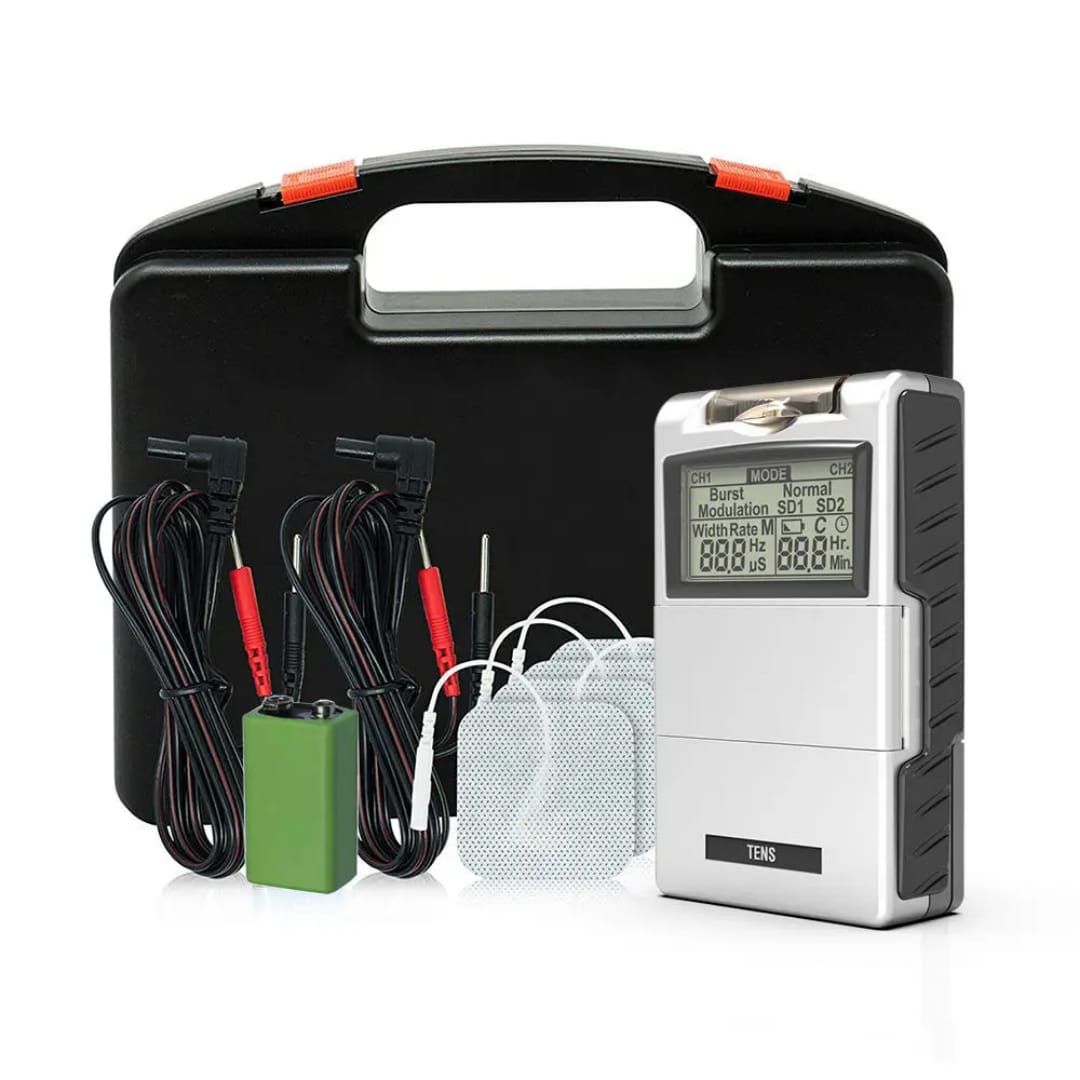
TENS Machine 2 Channel

Physiotherapy Equipment in Kenya: A Buyer’s Guide to Pain Relief and Rehab

Physiotherapy equipment covers a lot of ground. Some of it is for pain relief, some for getting a joint moving again, and some for keeping a bedridden patient comfortable. Here is what we stock, grouped by what each item is used for, so you can find what suits you or your patient.

If a physiotherapist or doctor is treating you, check with them before you start using any of these. The right choice depends on the injury and the stage of recovery.

Pain relief and electrotherapy

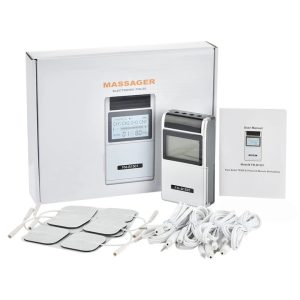
Not sure whether to choose the 2 or 4 channel TENS? Read our guide to the TENS machine 2 channel and 4 channel. TENS is not safe for everyone. People with a pacemaker or another implanted device, and pregnant women, should get medical advice first.

Heat and cold therapy

Always put a cloth between a hot pack and the skin, and keep the lamp at the distance recommended in its manual. Take extra care with anyone who has reduced feeling in the skin.

Exercise and rehabilitation

Measuring tools for therapists

A goniometer measures how far a joint can bend, which lets a therapist track progress from week to week. We have the Goniometer Medium, the Goniometer 12″ Large and the Goniometer Set of 6.

Supports and braces

Comfort and pressure relief

Choosing what you need

A few questions will narrow things down. What is the problem, and has a doctor or physiotherapist diagnosed it? Will you use the equipment at home or in a clinic? Is it a short-term recovery or something long-term? Equipment for a clinic, like the ultrasound machine or the massage bed, is a different purchase from a hot pack or a squeeze ball for home.

Order or ask a question

Tell us what you are trying to treat and where you will use the equipment, and we will help you pick. Message us on WhatsApp or see all our physiotherapy products.

This article is general information and not medical advice. Please follow the guidance of your doctor or physiotherapist on which equipment to use and how.

TENS Machine 4 Channel

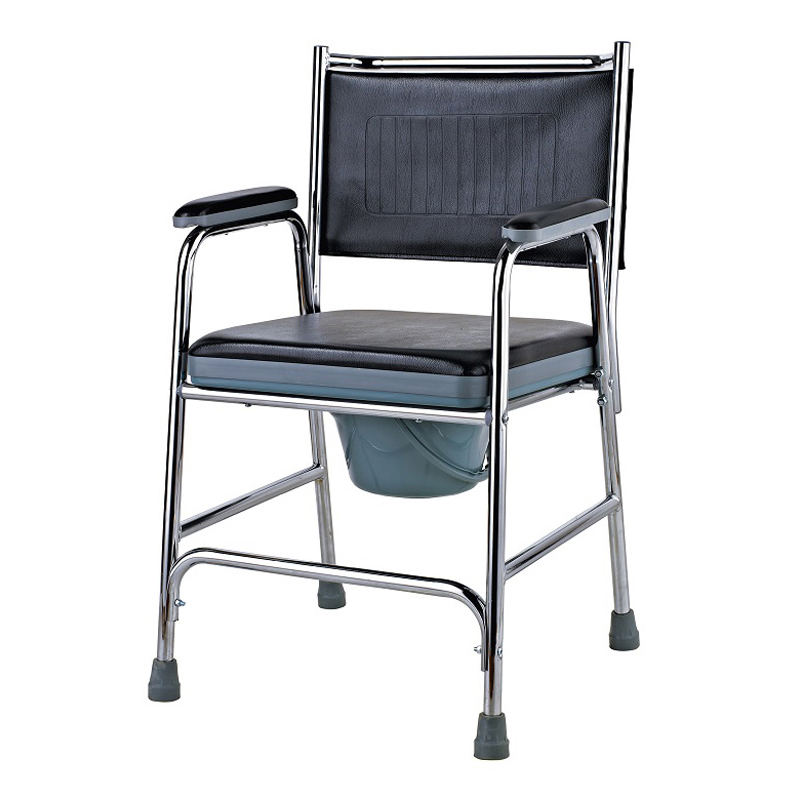
Commode chair with Backrest

Commode Chairs in Kenya: Types, Features and How to Choose One

A commode chair is a sturdy chair with a toilet seat and a removable bucket under it. It lets someone use the toilet safely without walking to the bathroom, and it can make a big difference at home for an older person, someone recovering from surgery, or anyone who finds stairs, long corridors or night-time trips to the toilet difficult.

Here are the commode chairs we stock and how to choose between them.

Who a commode chair helps

People who tire quickly or have trouble walking, those recovering from an operation or a fracture, elderly relatives living at home, and anyone who needs a toilet close to the bed at night. It also gives carers some peace of mind, because the person has a safe place to sit.

Fixed, folding or on wheels?

Fixed commode chairs stay in one place, usually beside the bed. They are the steadiest option and a good fit for daily use at home.

Folding commode chairs fold flat, so they are easy to store in a small room or take along when visiting family or travelling.

Commode wheelchairs have wheels, so the user can be moved to the toilet area and back. They suit people who cannot walk the distance and need to be pushed.

What to check before you buy

  • Seat height. The user’s feet should rest flat on the floor, and standing up should not be a struggle. An adjustable height helps if more than one person will use it.
  • Armrests and backrest. Armrests give something to push up from. A backrest gives extra support if the person cannot sit upright without help.
  • Comfort. A padded seat matters if the person sits for several minutes at a time.
  • Stability. It should not rock or tip when someone sits down or gets up. Check this on the floor where it will be used.
  • The bucket and lid. It should be easy to remove, empty and wash.
  • Weight limit. Ask the seller to confirm it for the model you choose.

Commode chairs available at Farlays

Click a name to see photos and the current price.

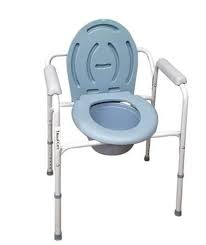
Adjustable Commode Chair for Home Safety is a good all-round choice for daily use, with adjustable height so it can fit different users.

Commode Chair with Backrest adds a backrest for people who need support while seated.

Commode Chair with Padded Seat for Comfort has a cushioned seat, which helps if the user spends longer on it.

Portable Folding Commode Chair for Safety folds for storage and travel.

Foldable Commode Seat and a second Foldable Commode Seat are two more folding options. Open both pages to compare them.

Commode wheelchairs

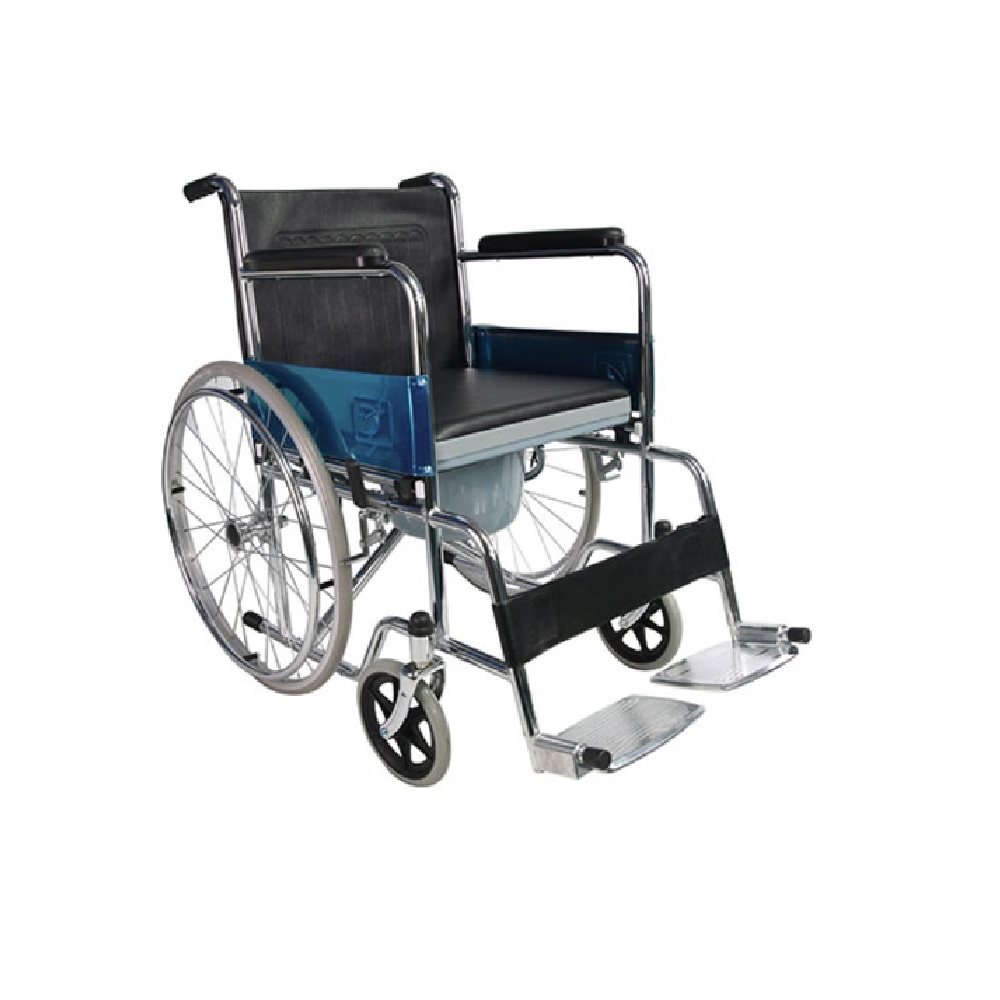
Standard Commode Wheelchair for Home Care combines a wheelchair and a commode in one, so the user can be moved to the toilet area and use it without changing chairs.

Reclining High Back Wheelchair with Commode adds a reclining back and a high back for users who cannot sit upright for long.

Other items that go with it

If you are setting up care at home, you may also need a height adjustable shower chair, a plastic bedpan or a plastic urinal bottle.

Using it safely and keeping it clean

  • Put it on a flat, non-slip floor, close to the bed, with enough room for a carer to help.
  • If it has wheels, lock them before the user sits down or stands up.
  • Offer privacy, with a door closed or a screen in place. It makes a real difference to dignity.
  • Empty and rinse the bucket after each use, then wash it with soap and disinfect it regularly.
  • Wipe the seat and handles often, especially if more than one person uses the chair.

Need help choosing?

Tell us who the chair is for, how much space you have, and whether the user needs to be moved around, and we will help you pick one. Message us on WhatsApp or see all our commode chairs.

This article is general information and not medical advice. For specific needs, please speak to a doctor, nurse or physiotherapist.

Adjustable Commode chair for home safety

Pediatric Fingertip pulse oximeter

Pulse Oximeters in Kenya: How They Work and Which One to Buy

A pulse oximeter is a small clip that slides onto your fingertip and shows your blood oxygen level and your pulse in a few seconds. It is painless, it needs no needles, and a reading takes less time than boiling a kettle. Doctors use them every day, and more families now keep one at home.

What a pulse oximeter measures

It gives you two numbers. SpO2 is the percentage of your blood that is carrying oxygen. Pulse rate is how many times your heart beats per minute.

For most healthy people, SpO2 sits between about 95% and 100%. People with some lung or heart conditions can have a different normal, so if you are one of them, ask your doctor what range is right for you.

Who uses one at home

A home oximeter is most useful when a doctor has advised you to keep an eye on your oxygen level. That often means people living with asthma, COPD or other lung conditions, people with heart conditions, and people recovering from a chest infection. Parents of children with breathing problems use them too, and so do caregivers looking after someone who is unwell.

How to get a good reading

  1. Sit down and rest for a few minutes first.
  2. Warm your hands if they are cold. Cold fingers give poor readings.
  3. Remove nail polish or artificial nails from the finger you will use.
  4. Clip the device on a middle or index finger and keep your hand still, resting on a table or your chest.
  5. Wait a few seconds for the numbers to settle, then read them.

Why a reading can be wrong

A single odd number does not always mean a problem. Movement, cold hands, nail polish and a loose fit can all throw it off. Studies have also found that oximeters can be less accurate on darker skin, so treat the number as one piece of information and pay attention to how the person actually looks and feels. If the reading seems strange, take it again after warming the hand and sitting still.

Pulse oximeters available at Farlays

Fingertip Pulse Oximeter for Oxygen Saturation is the standard adult model. It is small enough to keep in a handbag or a drawer, and it is simple to use.

Pediatric Fingertip Pulse Oximeter is made for children. A normal adult clip does not always fit small fingers, and a poor fit gives poor readings. This one has a smaller sensor with soft silicone padding inside, so it sits comfortably on a child’s finger. It comes in a playful animal design to make kids less nervous, shows the results on a bright display that can be read from different angles, and works with one button. Measuring takes under ten seconds, and it switches itself off to save the battery.

Open either product to see the current price and photos.

When to get medical help

A pulse oximeter is a monitoring tool and it cannot diagnose anything. If someone has trouble breathing, chest pain, blue or grey lips, confusion or unusual sleepiness, get medical help straight away, whatever the number says. If a reading is lower than your doctor told you to expect, call your doctor or go to a clinic.

Order from Farlays

Not sure which one you need? Tell us who it is for and we will help you choose. Message us on WhatsApp or see our diagnostic equipment. If you also want to check blood pressure at home, take a look at our blood pressure monitors.

This article is general information and not medical advice. Please follow the guidance of your doctor about when and how to monitor your oxygen level.

Reusable Colostomy Bags

Colostomy Bags in Kenya: What to Know Before You Buy

A colostomy changes daily life, and choosing the right bag is one of the first practical decisions that follows. If you or someone you look after has a stoma, this page explains what a reusable colostomy bag is, who it suits, and what to ask before you buy.

What a colostomy bag does

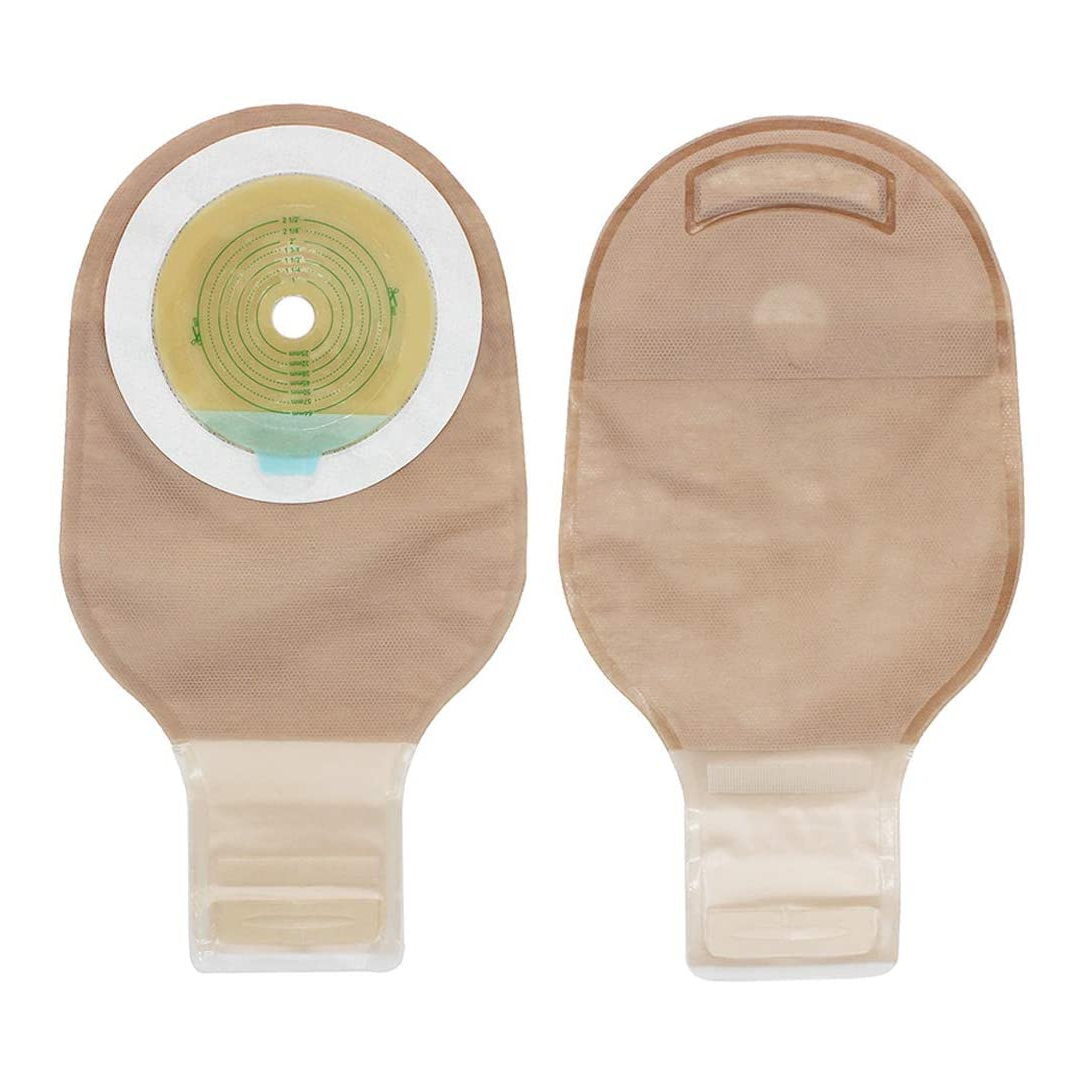
After a colostomy operation, waste leaves the body through an opening on the abdomen called a stoma. The bag fits over the stoma and collects the waste. With the right bag and a little practice, many people go back to work, exercise, travel and family life.

The reusable colostomy bag we stock

Our reusable colostomy bag is a drainable pouch. You empty it through the opening at the bottom when it fills, then clean it and use it again, following the maker’s instructions. Because it can be used more than once, you do not need to throw away and replace a bag every time.

How long a reusable bag lasts depends on the material, how often you use it and how well you look after it. Replace it if it wears out, leaks or no longer closes properly.

Reusable or disposable?

Neither one is better for everyone. Here is the honest trade-off.

  • A reusable bag means fewer bags to buy over time, but it needs regular cleaning and drying, so you need water, a little privacy and a routine.
  • A disposable bag is quicker, because you throw it away and put on a fresh one, but you keep buying them.

The right choice depends on the person, the type of stoma, the skin around it and the daily routine. Your surgeon or stoma nurse can tell you what suits you best, and it is best to ask them before you switch from one type to another.

Questions to ask before you buy

  • What size is the stoma? The opening in the bag should match it. A bag that is too tight or too loose can leak or irritate the skin.
  • Where will I clean it? Think about home, work and travel.
  • How many bags do I need? If you use reusable bags, you will want a spare so one can dry while you wear the other.
  • How does the closure work? You should be able to close it securely and handle it comfortably.
  • Is there a filter and a soft backing? A filter helps with gas and odour, and a soft backing is more comfortable against the skin.

Looking after the skin

The skin around the stoma needs gentle care. Clean it with mild products and let it dry before you put the bag on. If the skin becomes red, sore, itchy or starts to bleed, speak to your stoma nurse or doctor rather than waiting.

For step-by-step cleaning and care, read our full guide: how to empty, clean and look after a reusable colostomy bag.

Ordering from Farlays

If you have questions about the bag, you can message us on WhatsApp and we will answer them. You can also open the product page to see the current price and order.

Message us on WhatsApp or view the reusable colostomy bag.

This article is general information and not medical advice. Please follow the guidance of your surgeon or stoma nurse on which bag to use and how to care for your stoma.

Standard Commode Wheelchair for Home care

Wheelchairs in Kenya: Standard, Reclining, Commode and Electric Models

Reclining High-back Wheelchair with Headrest

If you are looking for a wheelchair in Nairobi or anywhere else in Kenya, we have eleven models listed, from a plain manual chair to a rechargeable electric one. Here is what each one is for, so you can see which ones to look at first.

Manual wheelchairs for everyday use

These are the chairs most people mean when they say “wheelchair”. They have no battery and no motor, so there is very little to go wrong.

Standard Wheelchair is where most buyers start. It suits use at home, on short trips and around the compound.

Orthopedic Wheelchair is a manual chair with a chrome frame, a good option if you want something a bit more solid than the basic model.

Extra-wide Bariatric Heavy-duty Wheelchair has a wider seat and a stronger build for bigger users who find a normal chair too tight. If you need the weight limit, send us a message and we will confirm it.

Wheelchairs for children

A child needs a chair that fits them now, not one they will grow into.

Standard Pediatric Wheelchair for Children is sized for younger users.

Cerebral Palsy Wheelchair is designed with seating support in mind for users with cerebral palsy. It is worth checking with your child’s physiotherapist or doctor on the features they need before you order.

Reclining and commode wheelchairs

These are common in home care, where the user spends long hours in the chair or needs help with toileting.

Reclining High-back Wheelchair with Headrest has a back that tilts and a headrest, for users who cannot sit upright for long.

Reclining High Back Wheelchair with Commode gives you the same reclining style with a commode built in.

Standard Commode Wheelchair for Home Care is a wheelchair and commode in one, handy for caring for someone at home.

Electric wheelchairs

An electric wheelchair is for users who cannot push a manual chair, or whose carers would otherwise be pushing all day.

Foldable Electric Wheelchair, Lightweight folds, which makes it easier to carry in a car when you travel.

Electric Wheelchair with Recliner Back combines motor power with a back that reclines.

Rechargeable Reclining Electric Wheelchair is a rechargeable electric model with a reclining back.

Ordering and delivery

We deliver countrywide, and you can pay with M-Pesa. If you are in Nairobi, you can also come and see the chairs in person at F&F House, 5th floor, Right wing, Shop No. 7, opposite Odeon Cinema Building.

Before you order, it helps to know who will use the chair, how wide the seat needs to be, and where it will be used most. Send us those details and we will point you to the right one.

Message us on WhatsApp or see all our wheelchairs and their prices.

This article is general information and not medical advice. For specific needs, please speak to a doctor or physiotherapist.

Back to Top
Product has been added to your cart
Compare (0)