
TENS Machine 2 Channel

Tens machine 2 channel & Tens Machine 4channel

TENS Machine 2 Channel & TENS Machine 4 Channel

A TENS Machine 2 Channel & TENS Machine 4 Channel in Kenya provides controlled electrical stimulation to support pain management and physiotherapy. These devices send mild electrical impulses through electrode pads placed on the skin. The main difference between the two types is the number of independent channels available for connecting and controlling electrode pads.

The device allows the user or therapist to adjust settings such as intensity and, depending on the model, treatment modes and pulse settings. TENS should be used according to professional guidance and the manufacturer’s instructions.

Understanding Channels in TENS Therapy

A channel refers to an independent electrical output from the TENS unit. Each channel connects to lead wires and electrode pads that deliver stimulation to the selected area.

The number of channels determines how many separate treatment areas or electrode pairs the device can support at the same time. Therefore, a 2-channel unit can generally support up to four electrode pads, while a 4-channel unit can support up to eight pads, depending on the design.

2-Channel vs. 4-Channel TENS Units

What Is a 2-Channel TENS Machine?

A TENS Machine 2 Channel has two electrical channels that can operate independently or through linked controls, depending on the model. It can generally support up to four electrode pads.

This type works well when treatment focuses on one or two smaller areas. Its compact design also makes it a practical option for clinics, physiotherapy sessions, and selected home-use applications under professional guidance.

What Is a 4-Channel TENS Machine?

A TENS Machine 4 Channel provides four electrical channels and can generally support up to eight electrode pads. The additional channels allow users to target more areas during the same treatment session.

A 4-channel unit can be useful when treatment involves larger muscle groups, multiple areas, or more extensive physiotherapy programs. However, the exact operation and available controls vary between models.

Key Differences at a Glance

Feature 2-Channel TENS Machine 4-Channel TENS Machine
Number of channels 2 4
Electrode pads Up to 4 Up to 8
Treatment areas One or two areas Multiple or larger areas
Controls 2 channels or linked controls 4 channels or linked controls
Portability Usually more compact May be slightly larger
Best suited for Smaller or isolated areas Larger or multiple treatment areas

Practical Applications and Targeted Relief

Best Uses for a 2-Channel TENS Unit

A 2-channel unit can suit treatment involving smaller or more isolated areas. Depending on the treatment plan, healthcare professionals may use it for:

  • Wrist and hand areas
  • Ankle and foot areas
  • A single joint
  • Localized muscle areas
  • Selected physiotherapy treatments
  • General pain management programs

Its simpler setup can also make it easier to position electrode pads around a specific treatment area.

Best Uses for a 4-Channel TENS Unit

A 4-channel unit provides more flexibility when treatment involves several areas at once. Depending on professional guidance, it may suit:

  • Large muscle groups
  • The back
  • Both legs
  • Multiple joints
  • Widespread areas requiring stimulation
  • Physiotherapy sessions involving several treatment points

The additional channels allow more electrode pads to connect to the device at the same time. However, users should follow the recommended electrode placement and treatment settings.

Safety and Best Practices

Electrode Pad Placement Rules for Multi-Channel Units

Place electrode pads on clean, dry skin and follow the manufacturer’s recommended placement instructions. When using several pads, position them around the intended treatment area without placing them directly over sensitive areas.

Do not randomly cross or overlap electrode connections. Instead, connect each lead wire to the correct channel and position the pads according to the treatment plan. A healthcare professional should provide guidance when using multiple channels or treating several body areas.

Safety Warnings and Contraindications

TENS therapy is not suitable for everyone. Do not use a TENS machine without appropriate medical advice if you have a pacemaker or other implanted electrical device. Avoid placing electrode pads over the front or side of the neck, across the chest, over the head, or on broken or irritated skin.

Pregnant individuals should seek medical advice before using TENS, especially during pregnancy. Stop using the device if it causes unusual discomfort, skin irritation, or other concerning symptoms, and seek professional guidance when necessary.

TENS Machine 2 Channel & TENS Machine 4 Channel in Kenya

When choosing a TENS Machine 2 Channel & TENS Machine 4 Channel in Kenya, consider the number of treatment areas, channel controls, electrode compatibility, portability, battery life, and available intensity settings. The right device should match the intended physiotherapy or pain management needs.

Order a Tens machine 2 channel & Tens Machine 4channel in Kenya now at The Farlays healthcare supplies ltd. We provide high-quality health equipment from trusted manufacturers, ensuring safety, reliability, and excellent performance.

Follow us on socials

Facebook: Farlay Healthcare Supplies

Instagram: THE FARLAYS HEALTHCARE SUPPLIES

Donut Cushion For Tailbone Pain

⁠Air Ring Cushion & Donut cushion for Tailbone pain

Air Ring Cushion & Donut Cushion for Tailbone Pain

An Air Ring Cushion & Donut Cushion for Tailbone Pain in Kenya provides additional support and cushioning for people who experience discomfort while sitting. The ring-shaped design creates an opening in the centre, reducing direct pressure on the coccyx. These cushions can be useful at home, in the office, in wheelchairs, or during periods of recovery when sitting becomes uncomfortable.

 What Is Tailbone Pain?

Tailbone pain, also known as coccygodynia or coccydynia, affects the area around the coccyx at the bottom of the spine. It can develop after a fall or direct impact, prolonged sitting, poor sitting posture, or other causes.

Some people may also experience tailbone discomfort during postpartum recovery. Since the causes of coccyx pain vary, persistent or severe discomfort should receive appropriate medical assessment.

Understanding Air Ring vs. Donut Cushions

Both air ring and donut cushions have a circular design with an opening in the centre. This opening creates space around the tailbone and can help reduce direct contact with the seating surface.

An air ring cushion uses an inflatable air-filled structure. Users may be able to adjust the firmness by changing the amount of air. A traditional donut cushion may use foam, gel, or another solid cushioning material.

How These Cushions Relieve Pressure

The central opening allows the coccyx to sit away from direct pressure from the seating surface. The cushion supports areas around the pelvis, helping distribute some of the body’s weight across the surrounding areas.

This design can make sitting more comfortable for some users. However, the effectiveness depends on the person’s condition, sitting position, cushion design, and individual comfort.

Medical Benefits Beyond Tailbone Pain

Ring cushions can provide sitting support for people dealing with different conditions. Depending on individual needs and professional advice, they may be used during:

  • Tailbone discomfort
  • Hemorrhoid-related discomfort
  • Postpartum recovery
  • Recovery after certain procedures
  • Periods of prolonged sitting
  • General sitting discomfort

A cushion can improve sitting comfort, but it should not replace medical treatment for an underlying condition.

Pros and Cons: Are They Right for Everyone?

Advantages

  • Helps reduce direct pressure around the tailbone
  • Provides additional cushioning while sitting
  • Available in inflatable and solid designs
  • Portable options are easy to carry
  • Can be used on different seating surfaces

Considerations

  • Some users may find ring cushions unstable.
  • Correct positioning is important for effective support.
  • An unsuitable size may provide poor comfort.
  • Some people may prefer a wedge-shaped cushion with a coccyx cutout.
  • Inflatable models require proper inflation and regular inspection.

Therefore, users should choose a cushion based on their condition, seating needs, and comfort.

How to Properly Use a Donut or Air Ring Cushion

Follow these basic steps when using a ring cushion:

  1. Place the cushion on a stable, flat seating surface.
  2. Make sure the opening faces the correct position according to the cushion design.
  3. Sit centrally so that the cushion supports the surrounding areas evenly.
  4. Keep your back supported and maintain a comfortable sitting posture.
  5. Adjust an inflatable cushion if the firmness feels unsuitable.
  6. Check your position regularly during prolonged sitting.
  7. Stop using the cushion if it causes increased pain, numbness, or significant discomfort.

Air Ring Cushion & Donut Cushion for Tailbone Pain in Kenya

An Air Ring Cushion & Donut Cushion for Tailbone Pain in Kenya can provide additional sitting support for people who experience discomfort around the coccyx. When choosing one, consider the material, size, weight capacity, portability, firmness, and ease of cleaning.

Selecting the right cushion can help improve sitting comfort while supporting a suitable recovery or daily-care routine.

Order an Air Ring Cushion & Donut cushion for Tailbone pain in Kenya now at The Farlays healthcare supplies ltd. We provide high-quality health equipment from trusted manufacturers, ensuring safety, reliability, and excellent performance.

Follow us on socials

Facebook: Farlay Healthcare Supplies

Instagram: THE FARLAYS HEALTHCARE SUPPLIES

Kinesiology Tape

Kinesiology Tape

Kinesiology Tape

Kinesiology Tape in Kenya is an elastic therapeutic tape used to support muscles, joints, and movement during physical activity and rehabilitation. Unlike traditional rigid athletic tape, it stretches with the body and allows greater freedom of movement. Physiotherapists, athletes, and other users may apply it to support movement, manage discomfort, and provide sensory feedback.

Traditional athletic tape mainly provides rigid support and limits movement. In contrast, kinesiology tape allows more natural movement while providing support and sensory stimulation. Different brands and products may vary in their elasticity, adhesive strength, and water resistance.

How It Works: The Science Behind the Stretch

When applied correctly, the elastic tape can gently lift the skin away from the underlying tissues. This may reduce pressure in the taped area and provide sensory input through the skin.

The tape also stimulates sensory receptors that help the body recognise movement and positioning. However, its effects can vary between individuals, and kinesiology tape should complement rather than replace appropriate medical or rehabilitation care.

Benefits and Uses

Pain Relief and Decompression

Kinesiology tape may help manage discomfort by providing sensory stimulation and reducing pressure around the affected area. Some users find this support helpful during physical activity or rehabilitation.

It does not directly treat the underlying cause of pain. Therefore, persistent or severe pain should receive assessment from a qualified healthcare professional.

Enhanced Blood Circulation and Lymphatic Drainage

The gentle lifting effect created by the tape may influence the movement of fluid in the tissues. Some taping techniques aim to support circulation and lymphatic drainage around areas affected by swelling.

Healthcare professionals may use specific application methods when managing swelling or edema. The tape should not replace medical treatment for unexplained or significant swelling.

Structural Support for Muscles and Joints

Kinesiology tape can provide additional support while allowing a relatively wide range of movement. This makes it useful during certain sports, exercise, physiotherapy, and rehabilitation activities.

Unlike rigid athletic tape, it does not completely restrict joint movement. Instead, it provides external sensory and mechanical support while allowing the user to continue moving.

Neuromuscular Feedback and Proprioception

The tape stimulates sensory receptors in the skin as the body moves. This sensory feedback may help increase awareness of posture, movement, and joint positioning.

Physiotherapists can incorporate this type of feedback into rehabilitation programs alongside exercises designed to improve strength, balance, coordination, and movement control.

Practical Application Guides

How to Apply Kinesiology Tape: A Step-by-Step Guide

Proper application helps the tape remain comfortable and secure.

  1. Clean the skin: Make sure the application area is clean, dry, and free from oils or lotions.
  2. Measure the tape: Cut the required length according to the treatment area.
  3. Round the corners: Rounding the edges can help prevent the tape from catching on clothing.
  4. Prepare the anchors: Leave the ends of the tape without additional stretch.
  5. Apply the tape: Place the tape over the target area using the recommended level of tension.
  6. Smooth the tape: Rub the surface gently to activate the adhesive.
  7. Check the skin: Make sure the tape feels comfortable and does not cause excessive irritation.

Common Taping Techniques and Shapes

Different cuts can suit different application patterns:

  • I Strip: A simple straight strip commonly used along a muscle or specific area.
  • Y Strip: Splits into two tails and can surround a muscle or joint.
  • X Strip: Provides coverage from a central point toward different directions.
  • Fan Cut: Uses several narrow strips and may support applications intended to address swelling.

The appropriate shape and direction depend on the area being treated and the goal of the application.

How to Safely Remove Kinesiology Tape

Remove the tape slowly rather than pulling it off quickly. Applying a small amount of suitable oil or adhesive remover can help loosen the adhesive when necessary.

Pull the tape gently in the direction of hair growth while supporting the skin with your other hand. If the skin becomes painful, irritated, or damaged, stop the removal process and allow the area to recover.

Common Mistakes to Avoid

Avoid these common application problems:

  • Stretching the tape more than recommended
  • Applying tape to dirty, wet, or oily skin
  • Applying excessive tension to the anchor points
  • Covering irritated or damaged skin
  • Leaving the tape on longer than recommended
  • Ignoring persistent itching, redness, or discomfort
  • Using tape instead of seeking medical assessment when necessary

How to Choose the Right Tape

Consider the following factors when selecting kinesiology tape:

  1. Elasticity: Choose a tape with suitable stretch for the intended application.
  2. Adhesive Strength: Consider stronger or gentler adhesive options based on skin sensitivity and intended use.
  3. Water Resistance: Water-resistant tape can remain secure during sweating or light water exposure.
  4. Material: Cotton, synthetic, and blended options offer different comfort and durability characteristics.
  5. Pre-Cut Options: Pre-cut strips can make application easier and reduce preparation time.
  6. Skin Compatibility: Check the product information for materials that may cause sensitivity.

Kinesiology Tape in Kenya

Kinesiology Tape in Kenya can support physiotherapy, sports activities, rehabilitation, and general movement support. When choosing a product, consider its elasticity, adhesive strength, material, water resistance, and suitability for the intended application.

For specific injuries or ongoing pain, users should consult a qualified healthcare professional before relying on kinesiology tape as part of their care.

Order Kinesiology Tape in Kenya now at The Farlays healthcare supplies ltd. We provide high-quality health equipment from trusted manufacturers, ensuring safety, reliability, and excellent performance.

Follow us on socials

Facebook: Farlay Healthcare Supplies

Instagram: THE FARLAYS HEALTHCARE SUPPLIES

Foldable Massage Bed

⁠Foldable Massage Bed

Foldable Massage Bed

A Foldable Massage Bed in Kenya is a portable treatment table designed for massage therapy, physical therapy, wellness services, and other treatments that require a comfortable and stable surface. Its folding design makes it easy to set up, transport, and store, making it especially useful for mobile therapists and professionals who provide services in different locations.

Unlike fixed massage beds, a foldable model gives therapists more flexibility. It can support professional treatments in clinics, homes, spas, rehabilitation centres, and temporary treatment spaces.

Materials and Frame Construction

The frame plays an important role in the stability and durability of a massage bed. Many foldable models use lightweight aluminum frames because they are easier to carry while still providing good support.

Wooden frames can also provide strong and stable construction. When choosing between the two, consider the table’s overall weight, strength, portability, and the type of treatments you plan to provide.

Padding, Cushioning, and Comfort

A comfortable surface helps clients relax during treatment. Look for a massage bed with sufficient high-density foam padding that provides good support without becoming uncomfortable during longer sessions.

The upholstery should also feel comfortable against the skin and allow easy cleaning. A well-padded surface can improve the overall treatment experience while giving the therapist a suitable working surface.

Weight Capacity and Sturdiness

A foldable massage bed should provide reliable support during treatment. Check the manufacturer’s recommended working weight before purchasing and make sure the table has a strong frame and secure locking mechanisms.

Reinforced legs, strong hinges, and sturdy support cables can improve stability when the table is in use. The bed should remain firm and steady during normal treatment movements.

Portability and Transport

Portability is one of the main advantages of a foldable massage bed. After treatment, the table can fold into a more compact form for transportation and storage.

When choosing a portable model, consider:

  • Folded dimensions
  • Overall table weight
  • Carrying handles
  • Carrying case or bag
  • Ease of opening and closing
  • Storage requirements

A lightweight table can make regular travel easier for mobile massage therapists and wellness professionals.

Applications and Best Uses

A Foldable Massage Bed can support different professional and wellness applications, including:

  • Mobile massage services
  • Home massage visits
  • Spa treatments
  • Physical therapy
  • Rehabilitation sessions
  • Wellness centres
  • Beauty and therapy services
  • Temporary treatment spaces

Its portable design makes it particularly useful for professionals who provide treatments outside a permanent clinic or spa.

Maintenance and Cleaning Routine

Regular maintenance helps keep a foldable massage bed safe, clean, and ready for use. Wipe the upholstered surface after each treatment using a suitable cleaning product recommended for the material.

Also inspect the frame, legs, hinges, locking mechanisms, and support cables regularly. Check for loose parts or signs of damage before using the table. Keep the bed dry and store it in a clean location when not in use.

Foldable Massage Bed in Kenya

A Foldable Massage Bed in Kenya provides a practical solution for therapists, wellness professionals, physiotherapists, spas, and home-care providers. Its portable design allows professionals to move the bed between different locations while saving storage space.

Choosing the right model requires attention to construction, dimensions, weight capacity, portability, maintenance, and long-term durability. A well-selected foldable massage bed can provide reliable service in clinics, spas, homes, and mobile treatment settings.

Order a ⁠Foldable Massage Bed in Kenya now at The Farlays healthcare supplies ltd. We provide high-quality health equipment from trusted manufacturers, ensuring safety, reliability, and excellent performance.

Follow us on socials

Facebook: Farlay Healthcare Supplies

Instagram: THE FARLAYS HEALTHCARE SUPPLIES
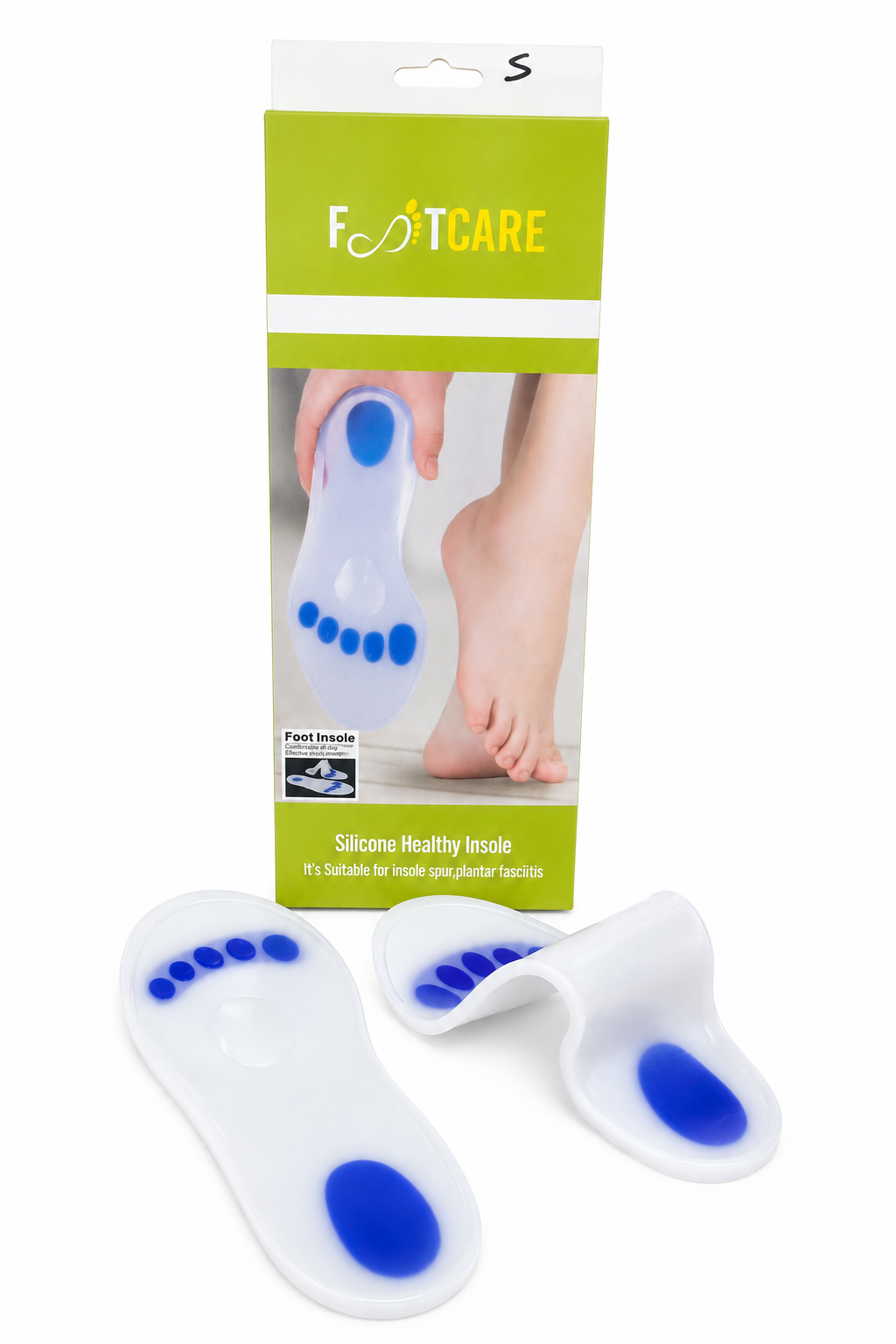
Full Silicone Insole

⁠Full Silicone Insole

Full Silicone Insole

A Full Silicone Insole in Kenya is a full-length foot insert designed to provide cushioning, shock absorption, and support across the entire foot. Unlike partial heel inserts or traditional foam orthotics, a full silicone insole covers the whole length of the shoe and provides cushioning from the heel to the forefoot.

The soft and flexible silicone material helps reduce the impact placed on the feet during walking, standing, running, and other daily activities. It can be useful for people who spend long hours on their feet or experience foot discomfort.

How Does a Full Silicone Insole Work?

The silicone material absorbs and distributes some of the impact created when the foot strikes the ground. Instead of allowing all the force to transfer directly through the foot and lower limbs, the insole provides a cushioning layer between the foot and the shoe.

Some silicone insoles also include softer areas under the heel and ball of the foot. These areas provide additional cushioning where the feet often experience greater pressure during movement.

Key Health and Comfort Benefits

A Full Silicone Insole can provide several benefits when used in suitable footwear and for appropriate foot-care needs.

1. Maximum Shock Absorption

The cushioning properties of silicone help absorb some of the impact produced during walking, running, and standing. This can help reduce the amount of pressure experienced by the feet and may make everyday movement more comfortable.

2. Targeted Pain Relief

A cushioned insole may help reduce discomfort associated with pressure on the heel and forefoot. It can provide additional support for people experiencing conditions such as plantar heel pain or discomfort associated with prolonged standing.

3. Pressure Redistribution

A full silicone design helps distribute pressure across a larger area of the foot. This can reduce pressure concentration in specific areas and help minimise discomfort or foot fatigue during prolonged activity.

4. Support for Overall Body Comfort

By providing cushioning under the feet, silicone insoles can contribute to a more comfortable standing and walking experience. They may also help reduce the strain that people feel in the lower limbs after spending long periods on their feet.

Material Advantages and Important Features

  1. Medical-Grade Silicone vs. Traditional Foam
  2. Dual-Density Cushioning Zones
  3. Durability and Long Lifespan
  4. Hypoallergenic and Easy to Clean

Who Can Benefit From Full Silicone Insoles?

Full silicone insoles can be useful for people who spend long periods standing, walking, or moving throughout the day.

Athletes and Runners

Athletes and runners may benefit from additional cushioning during activities that place repeated impact on the feet. A suitable insole can provide extra comfort inside athletic footwear.

Healthcare Workers

Healthcare workers often spend long hours walking or standing. Full silicone insoles can provide additional cushioning and support during demanding shifts.

Retail and Hospitality Workers

People working in retail, hospitality, and other jobs that require prolonged standing may use silicone insoles to improve everyday foot comfort.

People Who Walk Frequently

Individuals who walk regularly for work, exercise, or daily activities can use a suitable full-length insole to add cushioning to their footwear.

Choosing the Right Footwear

A Full Silicone Insole may not fit comfortably in every shoe. Shoes with enough internal space can accommodate a full-length insole more easily.

Before purchasing, check the size and thickness of the insole and compare them with the available space inside the shoe. Shoes with removable original insoles may provide more room for replacement inserts.

How to Clean and Maintain Your Insoles

Regular cleaning helps keep silicone insoles fresh and comfortable. Remove the insoles from the shoes and wash them according to the manufacturer’s care instructions.

Allow them to dry completely before placing them back inside the shoes. Avoid exposing them to excessive heat or using harsh chemicals unless the manufacturer specifically recommends them.

Full Silicone Insole in Kenya

A Full Silicone Insole can provide additional cushioning and comfort for people who spend long hours standing, walking, or participating in physical activities. When choosing one in Kenya, consider the size, thickness, material quality, cushioning zones, durability, and compatibility with your footwear.

Selecting a suitable insole can make everyday footwear more comfortable while providing additional cushioning for the feet.

Order a ⁠Full Silicone Insole in Kenya now at The Farlays healthcare supplies ltd. We provide high-quality health equipment from trusted manufacturers, ensuring safety, reliability, and excellent performance.

Follow us on socials

Facebook: Farlay Healthcare Supplies

Instagram: THE FARLAYS HEALTHCARE SUPPLIES

Portable Physiotherapy Ultrasound machine

Portable Physiotherapy Ultrasound machine

What Is a Portable Physiotherapy Ultrasound Machine?

A Portable Physiotherapy Ultrasound Machine is a compact therapy device that uses high-frequency sound waves to support physiotherapy and rehabilitation treatments.

It delivers therapeutic sound waves to targeted areas of the body. Its compact design allows healthcare professionals to move the device easily and use it in different treatment environments.

The device can support mobile physiotherapy services and treatment sessions where a larger ultrasound system may not be practical. It is designed specifically for therapeutic applications rather than producing diagnostic images.

How Does Ultrasound Therapy Work?

Ultrasound therapy uses high-frequency sound waves, commonly around 1 MHz and 3 MHz, to produce therapeutic effects in targeted tissues. The ultrasound head contains a piezoelectric crystal that converts electrical energy into sound waves.

When the sound waves enter the tissues, they create microscopic mechanical effects and can produce deep tissue heating. These effects may help support circulation, tissue relaxation, and other aspects of physiotherapy when a trained professional applies the treatment correctly.

What Are the Benefits of Ultrasound Therapy?

When used appropriately by a trained healthcare professional, ultrasound therapy can support different physiotherapy goals. Potential benefits include:

  • Pain Management: May help reduce discomfort in some musculoskeletal conditions.
  • Improved Local Circulation: Therapeutic heating can support blood flow in the treated area.
  • Muscle Relaxation: May help reduce muscle tension and spasms.
  • Soft Tissue Support: Can form part of rehabilitation programs for soft tissue conditions.
  • Convenient Treatment: A portable design makes the equipment easier to move between treatment areas.

Ultrasound therapy works as part of a wider physiotherapy program and may not be suitable for every patient or condition.

How Is Ultrasound Therapy Applied?

Ultrasound gel is normally placed between the transducer and the skin to help sound waves pass effectively into the treatment area.

The therapist places the ultrasound head over the selected area and moves it continuously, often using small controlled movements. The treatment area should match the size and output of the transducer to ensure appropriate application.

Safety Precautions and Important Considerations

Ultrasound therapy requires appropriate patient assessment and professional application. Therapeutic ultrasound may not be appropriate over certain areas or conditions, including active tumours, areas affected by thrombophlebitis, the uterus during pregnancy, and some areas containing metal implants. Additional precautions may apply depending on the patient’s condition and the treatment area.

Always consult a qualified healthcare professional before using therapeutic ultrasound, particularly when the patient has an underlying medical condition or is receiving other treatments.

What Should You Look for When Buying?

When choosing a Portable Physiotherapy Ultrasound Machine, consider the following features:

  • Adjustable Intensity: Allows healthcare professionals to select suitable treatment levels.
  • Frequency Options: 1 MHz and 3 MHz settings provide flexibility for different treatment depths.
  • Continuous and Pulsed Modes: Offers different treatment options based on clinical requirements.
  • Portable Design: A lightweight device is easier to move between treatment areas.
  • Long Battery Life: Useful for mobile treatment and locations without convenient access to power.
  • Easy-to-Use Controls: Clear controls make treatment settings easier to adjust.
  • Ergonomic Transducer: A comfortable ultrasound head supports easier handling during treatment.
  • Durable Construction: Quality materials help the machine withstand regular clinical use.
  • Reliable Accessories: Check that the device includes suitable cables, transducer, and other necessary accessories.
  • Warranty and Support: A reliable warranty can provide additional protection and after-sales support.

Portable Physiotherapy Ultrasound Machine in Kenya

A Portable Physiotherapy Ultrasound Machine can be a practical addition to physiotherapy clinics, hospitals, rehabilitation centres, and mobile therapy services in Kenya. Its compact design makes it easier to transport, while adjustable treatment settings allow healthcare professionals to select suitable therapy options.

When purchasing one, consider:

  1. Frequency settings
  2. Treatment modes
  3. Intensity controls
  4. Portability
  5. Battery performance
  6. Accessories
  7. Warranty

Choosing equipment from a reliable healthcare supplier can also help ensure quality and dependable support.

Order a Portable Physiotherapy Ultrasound machine in Kenya now at The Farlays healthcare supplies ltd. We provide high-quality health equipment from trusted manufacturers, ensuring safety, reliability, and excellent performance.

Follow us on socials

Facebook: Farlay Healthcare Supplies

Instagram: THE FARLAYS HEALTHCARE SUPPLIES

Back to Top
Product has been added to your cart
Compare (0)