
TENS Machine 2 Channel

Tens machine 2 channel & Tens Machine 4channel

TENS Machine 2 Channel & TENS Machine 4 Channel

A TENS Machine 2 Channel & TENS Machine 4 Channel in Kenya provides controlled electrical stimulation to support pain management and physiotherapy. These devices send mild electrical impulses through electrode pads placed on the skin. The main difference between the two types is the number of independent channels available for connecting and controlling electrode pads.

The device allows the user or therapist to adjust settings such as intensity and, depending on the model, treatment modes and pulse settings. TENS should be used according to professional guidance and the manufacturer’s instructions.

Understanding Channels in TENS Therapy

A channel refers to an independent electrical output from the TENS unit. Each channel connects to lead wires and electrode pads that deliver stimulation to the selected area.

The number of channels determines how many separate treatment areas or electrode pairs the device can support at the same time. Therefore, a 2-channel unit can generally support up to four electrode pads, while a 4-channel unit can support up to eight pads, depending on the design.

2-Channel vs. 4-Channel TENS Units

What Is a 2-Channel TENS Machine?

A TENS Machine 2 Channel has two electrical channels that can operate independently or through linked controls, depending on the model. It can generally support up to four electrode pads.

This type works well when treatment focuses on one or two smaller areas. Its compact design also makes it a practical option for clinics, physiotherapy sessions, and selected home-use applications under professional guidance.

What Is a 4-Channel TENS Machine?

A TENS Machine 4 Channel provides four electrical channels and can generally support up to eight electrode pads. The additional channels allow users to target more areas during the same treatment session.

A 4-channel unit can be useful when treatment involves larger muscle groups, multiple areas, or more extensive physiotherapy programs. However, the exact operation and available controls vary between models.

Key Differences at a Glance

Feature 2-Channel TENS Machine 4-Channel TENS Machine
Number of channels 2 4
Electrode pads Up to 4 Up to 8
Treatment areas One or two areas Multiple or larger areas
Controls 2 channels or linked controls 4 channels or linked controls
Portability Usually more compact May be slightly larger
Best suited for Smaller or isolated areas Larger or multiple treatment areas

Practical Applications and Targeted Relief

Best Uses for a 2-Channel TENS Unit

A 2-channel unit can suit treatment involving smaller or more isolated areas. Depending on the treatment plan, healthcare professionals may use it for:

  • Wrist and hand areas
  • Ankle and foot areas
  • A single joint
  • Localized muscle areas
  • Selected physiotherapy treatments
  • General pain management programs

Its simpler setup can also make it easier to position electrode pads around a specific treatment area.

Best Uses for a 4-Channel TENS Unit

A 4-channel unit provides more flexibility when treatment involves several areas at once. Depending on professional guidance, it may suit:

  • Large muscle groups
  • The back
  • Both legs
  • Multiple joints
  • Widespread areas requiring stimulation
  • Physiotherapy sessions involving several treatment points

The additional channels allow more electrode pads to connect to the device at the same time. However, users should follow the recommended electrode placement and treatment settings.

Safety and Best Practices

Electrode Pad Placement Rules for Multi-Channel Units

Place electrode pads on clean, dry skin and follow the manufacturer’s recommended placement instructions. When using several pads, position them around the intended treatment area without placing them directly over sensitive areas.

Do not randomly cross or overlap electrode connections. Instead, connect each lead wire to the correct channel and position the pads according to the treatment plan. A healthcare professional should provide guidance when using multiple channels or treating several body areas.

Safety Warnings and Contraindications

TENS therapy is not suitable for everyone. Do not use a TENS machine without appropriate medical advice if you have a pacemaker or other implanted electrical device. Avoid placing electrode pads over the front or side of the neck, across the chest, over the head, or on broken or irritated skin.

Pregnant individuals should seek medical advice before using TENS, especially during pregnancy. Stop using the device if it causes unusual discomfort, skin irritation, or other concerning symptoms, and seek professional guidance when necessary.

TENS Machine 2 Channel & TENS Machine 4 Channel in Kenya

When choosing a TENS Machine 2 Channel & TENS Machine 4 Channel in Kenya, consider the number of treatment areas, channel controls, electrode compatibility, portability, battery life, and available intensity settings. The right device should match the intended physiotherapy or pain management needs.

Order a Tens machine 2 channel & Tens Machine 4channel in Kenya now at The Farlays healthcare supplies ltd. We provide high-quality health equipment from trusted manufacturers, ensuring safety, reliability, and excellent performance.

Follow us on socials

Facebook: Farlay Healthcare Supplies

Instagram: THE FARLAYS HEALTHCARE SUPPLIES

Donut Cushion For Tailbone Pain

⁠Air Ring Cushion & Donut cushion for Tailbone pain

Air Ring Cushion & Donut Cushion for Tailbone Pain

An Air Ring Cushion & Donut Cushion for Tailbone Pain in Kenya provides additional support and cushioning for people who experience discomfort while sitting. The ring-shaped design creates an opening in the centre, reducing direct pressure on the coccyx. These cushions can be useful at home, in the office, in wheelchairs, or during periods of recovery when sitting becomes uncomfortable.

 What Is Tailbone Pain?

Tailbone pain, also known as coccygodynia or coccydynia, affects the area around the coccyx at the bottom of the spine. It can develop after a fall or direct impact, prolonged sitting, poor sitting posture, or other causes.

Some people may also experience tailbone discomfort during postpartum recovery. Since the causes of coccyx pain vary, persistent or severe discomfort should receive appropriate medical assessment.

Understanding Air Ring vs. Donut Cushions

Both air ring and donut cushions have a circular design with an opening in the centre. This opening creates space around the tailbone and can help reduce direct contact with the seating surface.

An air ring cushion uses an inflatable air-filled structure. Users may be able to adjust the firmness by changing the amount of air. A traditional donut cushion may use foam, gel, or another solid cushioning material.

How These Cushions Relieve Pressure

The central opening allows the coccyx to sit away from direct pressure from the seating surface. The cushion supports areas around the pelvis, helping distribute some of the body’s weight across the surrounding areas.

This design can make sitting more comfortable for some users. However, the effectiveness depends on the person’s condition, sitting position, cushion design, and individual comfort.

Medical Benefits Beyond Tailbone Pain

Ring cushions can provide sitting support for people dealing with different conditions. Depending on individual needs and professional advice, they may be used during:

  • Tailbone discomfort
  • Hemorrhoid-related discomfort
  • Postpartum recovery
  • Recovery after certain procedures
  • Periods of prolonged sitting
  • General sitting discomfort

A cushion can improve sitting comfort, but it should not replace medical treatment for an underlying condition.

Pros and Cons: Are They Right for Everyone?

Advantages

  • Helps reduce direct pressure around the tailbone
  • Provides additional cushioning while sitting
  • Available in inflatable and solid designs
  • Portable options are easy to carry
  • Can be used on different seating surfaces

Considerations

  • Some users may find ring cushions unstable.
  • Correct positioning is important for effective support.
  • An unsuitable size may provide poor comfort.
  • Some people may prefer a wedge-shaped cushion with a coccyx cutout.
  • Inflatable models require proper inflation and regular inspection.

Therefore, users should choose a cushion based on their condition, seating needs, and comfort.

How to Properly Use a Donut or Air Ring Cushion

Follow these basic steps when using a ring cushion:

  1. Place the cushion on a stable, flat seating surface.
  2. Make sure the opening faces the correct position according to the cushion design.
  3. Sit centrally so that the cushion supports the surrounding areas evenly.
  4. Keep your back supported and maintain a comfortable sitting posture.
  5. Adjust an inflatable cushion if the firmness feels unsuitable.
  6. Check your position regularly during prolonged sitting.
  7. Stop using the cushion if it causes increased pain, numbness, or significant discomfort.

Air Ring Cushion & Donut Cushion for Tailbone Pain in Kenya

An Air Ring Cushion & Donut Cushion for Tailbone Pain in Kenya can provide additional sitting support for people who experience discomfort around the coccyx. When choosing one, consider the material, size, weight capacity, portability, firmness, and ease of cleaning.

Selecting the right cushion can help improve sitting comfort while supporting a suitable recovery or daily-care routine.

Order an Air Ring Cushion & Donut cushion for Tailbone pain in Kenya now at The Farlays healthcare supplies ltd. We provide high-quality health equipment from trusted manufacturers, ensuring safety, reliability, and excellent performance.

Follow us on socials

Facebook: Farlay Healthcare Supplies

Instagram: THE FARLAYS HEALTHCARE SUPPLIES

Kinesiology Tape

Kinesiology Tape

Kinesiology Tape

Kinesiology Tape in Kenya is an elastic therapeutic tape used to support muscles, joints, and movement during physical activity and rehabilitation. Unlike traditional rigid athletic tape, it stretches with the body and allows greater freedom of movement. Physiotherapists, athletes, and other users may apply it to support movement, manage discomfort, and provide sensory feedback.

Traditional athletic tape mainly provides rigid support and limits movement. In contrast, kinesiology tape allows more natural movement while providing support and sensory stimulation. Different brands and products may vary in their elasticity, adhesive strength, and water resistance.

How It Works: The Science Behind the Stretch

When applied correctly, the elastic tape can gently lift the skin away from the underlying tissues. This may reduce pressure in the taped area and provide sensory input through the skin.

The tape also stimulates sensory receptors that help the body recognise movement and positioning. However, its effects can vary between individuals, and kinesiology tape should complement rather than replace appropriate medical or rehabilitation care.

Benefits and Uses

Pain Relief and Decompression

Kinesiology tape may help manage discomfort by providing sensory stimulation and reducing pressure around the affected area. Some users find this support helpful during physical activity or rehabilitation.

It does not directly treat the underlying cause of pain. Therefore, persistent or severe pain should receive assessment from a qualified healthcare professional.

Enhanced Blood Circulation and Lymphatic Drainage

The gentle lifting effect created by the tape may influence the movement of fluid in the tissues. Some taping techniques aim to support circulation and lymphatic drainage around areas affected by swelling.

Healthcare professionals may use specific application methods when managing swelling or edema. The tape should not replace medical treatment for unexplained or significant swelling.

Structural Support for Muscles and Joints

Kinesiology tape can provide additional support while allowing a relatively wide range of movement. This makes it useful during certain sports, exercise, physiotherapy, and rehabilitation activities.

Unlike rigid athletic tape, it does not completely restrict joint movement. Instead, it provides external sensory and mechanical support while allowing the user to continue moving.

Neuromuscular Feedback and Proprioception

The tape stimulates sensory receptors in the skin as the body moves. This sensory feedback may help increase awareness of posture, movement, and joint positioning.

Physiotherapists can incorporate this type of feedback into rehabilitation programs alongside exercises designed to improve strength, balance, coordination, and movement control.

Practical Application Guides

How to Apply Kinesiology Tape: A Step-by-Step Guide

Proper application helps the tape remain comfortable and secure.

  1. Clean the skin: Make sure the application area is clean, dry, and free from oils or lotions.
  2. Measure the tape: Cut the required length according to the treatment area.
  3. Round the corners: Rounding the edges can help prevent the tape from catching on clothing.
  4. Prepare the anchors: Leave the ends of the tape without additional stretch.
  5. Apply the tape: Place the tape over the target area using the recommended level of tension.
  6. Smooth the tape: Rub the surface gently to activate the adhesive.
  7. Check the skin: Make sure the tape feels comfortable and does not cause excessive irritation.

Common Taping Techniques and Shapes

Different cuts can suit different application patterns:

  • I Strip: A simple straight strip commonly used along a muscle or specific area.
  • Y Strip: Splits into two tails and can surround a muscle or joint.
  • X Strip: Provides coverage from a central point toward different directions.
  • Fan Cut: Uses several narrow strips and may support applications intended to address swelling.

The appropriate shape and direction depend on the area being treated and the goal of the application.

How to Safely Remove Kinesiology Tape

Remove the tape slowly rather than pulling it off quickly. Applying a small amount of suitable oil or adhesive remover can help loosen the adhesive when necessary.

Pull the tape gently in the direction of hair growth while supporting the skin with your other hand. If the skin becomes painful, irritated, or damaged, stop the removal process and allow the area to recover.

Common Mistakes to Avoid

Avoid these common application problems:

  • Stretching the tape more than recommended
  • Applying tape to dirty, wet, or oily skin
  • Applying excessive tension to the anchor points
  • Covering irritated or damaged skin
  • Leaving the tape on longer than recommended
  • Ignoring persistent itching, redness, or discomfort
  • Using tape instead of seeking medical assessment when necessary

How to Choose the Right Tape

Consider the following factors when selecting kinesiology tape:

  1. Elasticity: Choose a tape with suitable stretch for the intended application.
  2. Adhesive Strength: Consider stronger or gentler adhesive options based on skin sensitivity and intended use.
  3. Water Resistance: Water-resistant tape can remain secure during sweating or light water exposure.
  4. Material: Cotton, synthetic, and blended options offer different comfort and durability characteristics.
  5. Pre-Cut Options: Pre-cut strips can make application easier and reduce preparation time.
  6. Skin Compatibility: Check the product information for materials that may cause sensitivity.

Kinesiology Tape in Kenya

Kinesiology Tape in Kenya can support physiotherapy, sports activities, rehabilitation, and general movement support. When choosing a product, consider its elasticity, adhesive strength, material, water resistance, and suitability for the intended application.

For specific injuries or ongoing pain, users should consult a qualified healthcare professional before relying on kinesiology tape as part of their care.

Order Kinesiology Tape in Kenya now at The Farlays healthcare supplies ltd. We provide high-quality health equipment from trusted manufacturers, ensuring safety, reliability, and excellent performance.

Follow us on socials

Facebook: Farlay Healthcare Supplies

Instagram: THE FARLAYS HEALTHCARE SUPPLIES

Rechargeable Hearing Aid

⁠Rechargeable Hearing Aid

Rechargeable Hearing Aid

A Rechargeable Hearing Aid in Kenya is a hearing device designed to help people with hearing loss hear sounds more clearly. Unlike traditional hearing aids that use disposable button batteries, rechargeable models contain built-in batteries that users can recharge when needed. This design provides a convenient option for people who want to avoid frequent battery replacement.

This design can make daily hearing aid care easier, especially for people who find small batteries difficult to handle. It also reduces the need to keep a regular supply of disposable batteries available.

Key Benefits and Advantages

Rechargeable hearing aids offer several practical benefits for everyday use:

  1. Easy Daily Charging: Users can recharge the device instead of replacing tiny batteries.
  2. Simple Handling: The design can help people who have difficulty handling small disposable batteries.
  3. Convenient Operation: A regular charging routine makes daily use easier to manage.
  4. Reduced Battery Waste: Rechargeable systems can reduce the number of disposable batteries used over time.
  5. Travel Convenience: A suitable charging case can make it easier to keep the hearing aids powered while travelling.
  6. Neater Design: Built-in batteries remove the need for a separate battery compartment for disposable cells.

Battery Life and Performance

Battery life differs between hearing aid models and depends on factors such as battery capacity, hearing aid settings, and how the device is used. Some rechargeable hearing aids can provide a full day of use on one charge, while certain models may offer longer operating times.

Audio streaming and other advanced functions can increase battery consumption. Therefore, users should check the manufacturer’s stated battery performance and consider their normal daily activities when selecting a device.

Rechargeable batteries also have a limited working lifespan. Over time, battery capacity can decrease, and the manufacturer or an authorised service provider may need to replace the internal battery.

The Charging Experience and Portability

Most rechargeable hearing aids use a desktop charging station. Users place the devices into specially designed charging slots, where contacts or magnetic alignment help position them correctly.

Some charging cases also contain an internal power bank. These cases can provide additional charging options when users travel away from a wall outlet.

A portable charging case can therefore make daily use more convenient. However, users should remember to charge both the hearing aids and the charging case before longer trips.

Pros and Cons of Rechargeable Hearing Aids

Rechargeable models provide convenience, but users should also consider their limitations.

Advantages

  • No regular replacement of small disposable batteries
  • Simple charging routine
  • Convenient for everyday use
  • Less disposable battery waste
  • Useful for people with limited dexterity
  • Some models offer portable charging cases

Considerations

  • Users need to maintain a regular charging routine.
  • Battery life depends on the model and how the hearing aids are used.
  • Streaming can reduce the available operating time.
  • A suitable charging option becomes important during travel.
  • Rechargeable batteries may eventually require replacement.

Rechargeable Hearing Aid in Kenya

A Rechargeable Hearing Aid in Kenya can provide a convenient option for people who need hearing support and prefer a built-in rechargeable power system. When choosing one, consider battery life, charging time, comfort, sound-processing features, ease of handling, and availability of after-sales support.

It is also important to have hearing loss assessed by an appropriate healthcare or hearing-care professional. The right hearing aid should match the user’s hearing needs and provide a suitable fit.

Order a ⁠Rechargeable Hearing Aid in Kenya now at The Farlays healthcare supplies ltd. We provide high-quality health equipment from trusted manufacturers, ensuring safety, reliability, and excellent performance.

Follow us on socials

Facebook: Farlay Healthcare Supplies

Instagram: THE FARLAYS HEALTHCARE SUPPLIES
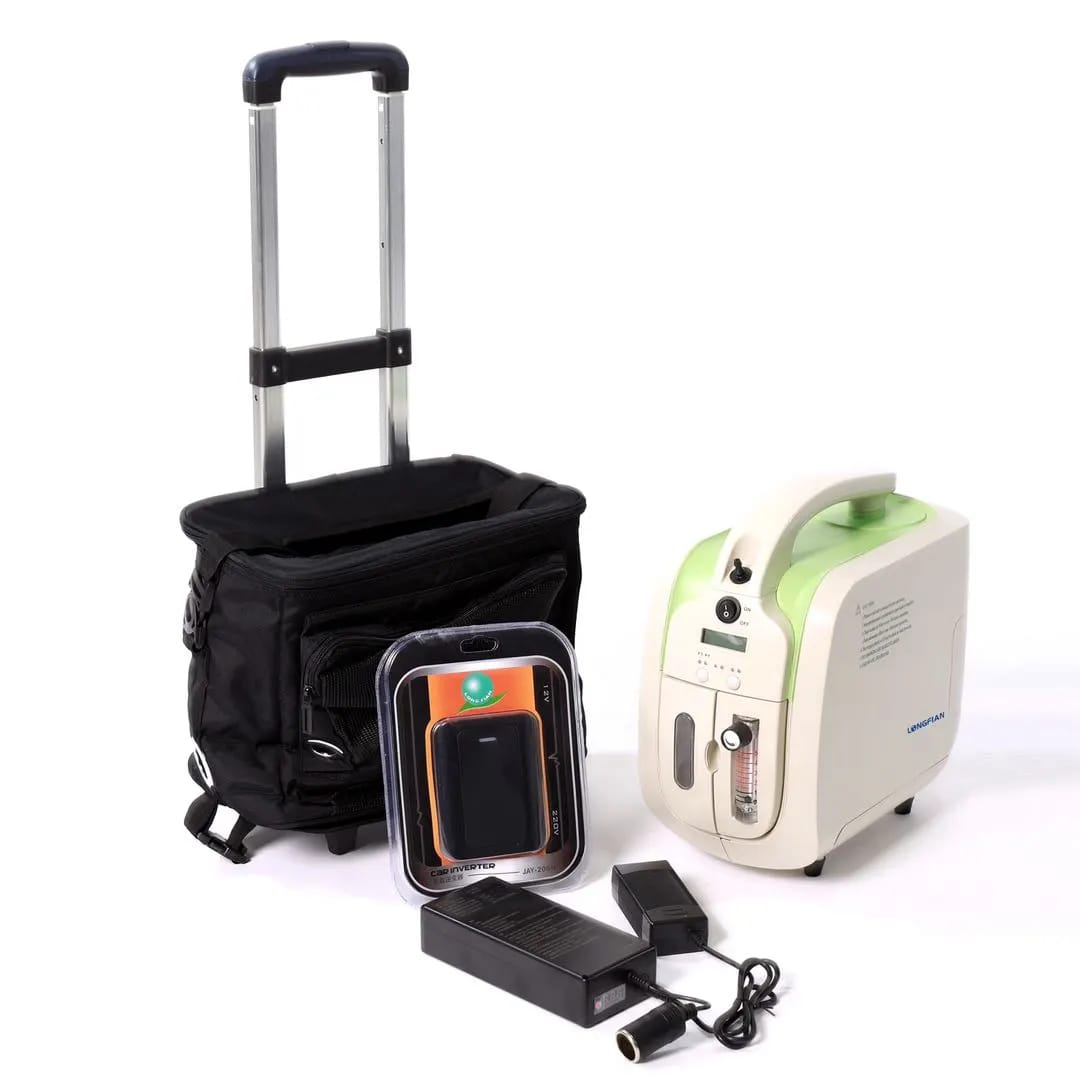
Portable Oxygen Concentrator

⁠Portable Oxygen concentrator

Portable Oxygen Concentrator

A Portable Oxygen Concentrator in Kenya is a medical device that provides supplemental oxygen to people who need oxygen therapy. Unlike traditional oxygen cylinders, it does not store a fixed amount of oxygen. Instead, it takes in air from the surroundings, removes nitrogen, and delivers oxygen through a nasal cannula or another suitable interface. Its compact design makes it useful for home care and selected travel situations.

How a POC Works

Most portable oxygen concentrators use pressure swing adsorption (PSA) technology. The device draws air through special molecular sieve materials that selectively trap nitrogen.

As the nitrogen gets removed, the remaining gas contains a higher concentration of oxygen. The concentrator then delivers this oxygen through the outlet according to the selected flow mode and prescribed setting.

The internal components work continuously to maintain oxygen delivery while the device receives power from its battery or an external power source.

Key Features and Specifications

When selecting a portable oxygen concentrator, consider the following features:

  1. Lightweight Design: Makes carrying and moving the device easier.
  2. Compact Size: Takes up less space during storage and travel.
  3. Adjustable Flow Settings: Allows the device to deliver the prescribed oxygen setting.
  4. Clear Display: Helps users monitor operating settings and battery status.
  5. Safety Alarms: Can alert users to issues such as low battery, poor oxygen delivery, or system problems.
  6. Easy Controls: Simple controls make everyday operation more convenient.
  7. Reliable Oxygen Output: Consistent performance supports prescribed oxygen therapy.

Battery Life and Power Options

Battery performance plays an important role in portable oxygen therapy. Many POCs use rechargeable lithium-ion batteries that allow users to operate the device away from a wall outlet.

Most models can also connect to AC power for use at home. Some devices support DC power adapters, which allow charging or operation from a compatible vehicle power source.

Actual battery life varies according to the device, flow setting, battery condition, and operating conditions. Users should follow the manufacturer’s instructions and keep the battery adequately charged.

Safety Precautions and Maintenance

Oxygen supports combustion, so users should keep the concentrator and oxygen delivery equipment away from open flames, smoking, and other sources of ignition. They should also avoid using the equipment near heat sources unless the manufacturer specifically permits it.

Regular maintenance helps keep the device working properly. Users should:

  • Clean or replace filters according to the manufacturer’s instructions.
  • Keep air vents clear and free from dust.
  • Clean the nasal cannula as recommended.
  • Inspect tubing and accessories for damage.
  • Keep the concentrator dry and away from excessive moisture.
  • Charge and store the battery according to the manufacturer’s instructions

Portable Oxygen Concentrator in Kenya

A Portable Oxygen Concentrator in Kenya can provide a practical oxygen therapy option for suitable patients who require supplemental oxygen outside a fixed home setup. When choosing one, consider the required flow mode, battery performance, weight, safety features, accessories, warranty, and after-sales support.

It is also important to purchase medical equipment from a reliable supplier and confirm that the device meets the user’s prescribed oxygen requirements.

In Conclusion

A Portable Oxygen Concentrator provides supplemental oxygen by extracting oxygen from ambient air rather than storing compressed oxygen in a cylinder. Its portable design, battery operation, adjustable settings, and safety features can make oxygen therapy more convenient for suitable users.

However, proper medical guidance remains essential. Users should follow their prescribed oxygen settings, observe safety precautions, and maintain the device according to the manufacturer’s instructions.

Order a ⁠Portable Oxygen concentrator in Kenya now at The Farlays healthcare supplies ltd. We provide high-quality health equipment from trusted manufacturers, ensuring safety, reliability, and excellent performance.

Follow us on socials

Facebook: Farlay Healthcare Supplies

Instagram: THE FARLAYS HEALTHCARE SUPPLIES

Standard Commode Wheelchair for Home care

Standard Commode Wheelchair for Home care

Standard Commode Wheelchair for Home Care

A Standard Commode Wheelchair for Home Care in Kenya combines wheelchair mobility with a built-in toileting function. It usually features an integrated toilet opening and a removable pail or bucket, allowing the user to access toileting facilities without transferring to a separate toilet. This design can support people with limited mobility who need additional assistance with daily care at home.

The chair commonly includes a removable waste bucket that caregivers can remove and clean after use. This setup can make toileting more convenient for people who find regular bathroom transfers difficult.

Key Design Features and Specifications

A standard commode wheelchair may include several features that support everyday home care:

  • Water-Resistant Frame: Helps the chair handle routine cleaning and toileting use.
  • Padded Seat: Provides additional comfort during sitting.
  • Removable Waste Bucket: Allows convenient emptying and cleaning.
  • Swing-Away Footrests: Make transfers and positioning easier.
  • Locking Castor Wheels: Help keep the chair stable when the brakes are engaged.
  • Armrests: Provide support during sitting and transfers.

Primary Benefits for Patients and Seniors

A commode wheelchair can make toileting and movement easier for people with limited mobility. The combined design reduces the need to move between a wheelchair and a separate commode.

It can also provide greater privacy and dignity by making toileting possible closer to the user’s living or sleeping area. For some users, reducing unnecessary transfers can make daily care more manageable.

Advantages for Family Caregivers

A commode wheelchair can also simplify home care. Caregivers can use the chair to move a user between suitable areas of the home while also having access to the integrated toileting function.

The design may reduce the number of transfers required during daily routines. This can make caregiving more convenient, particularly for users who need assistance with mobility and toileting.

How to Choose the Right Commode Wheelchair

Consider the user’s needs and home environment before choosing a commode wheelchair. Important factors include:

  • Weight Capacity: Choose a model that safely supports the intended user.
  • Seat Height: Check that the height allows comfortable sitting and transfers.
  • Seat Width: Ensure sufficient space for comfortable use.
  • Doorway Clearance: Measure doors and passages to make sure the chair can move through them.
  • Foldability: A folding design can make storage easier.
  • Wheel Design: Consider wheel size and locking mechanisms based on where the chair will be used.
  • Bucket Design: A removable and easy-to-clean bucket can simplify daily care.

Safety and Usage Best Practices

Safety should remain a priority when using a commode wheelchair. Always engage the wheel brakes before the user sits down, stands up, or transfers.

Position the chair on a firm, level surface and make sure the user sits centrally on the seat. Keep the footrests correctly positioned and avoid placing excessive weight on them during transfers.

Caregivers should provide appropriate assistance when the user has difficulty maintaining balance or transferring independently.

Cleaning, Sanitation, and Maintenance

Regular cleaning helps maintain hygiene and keep the chair suitable for continued use.

  1. Remove and empty the waste bucket carefully.
  2. Clean and disinfect the bucket according to the manufacturer’s instructions.
  3. Clean the seat and other surfaces that may come into contact with bodily waste.
  4. Wipe down the frame and armrests using a suitable cleaning product.
  5. Allow cleaned components to dry properly.
  6. Inspect the wheels, brakes, footrests, and frame regularly.
  7. Tighten or service loose or damaged components as recommended.

Avoid cleaning products that may damage the frame, upholstery, or other components.

Standard Commode Wheelchair for Home Care in Kenya

A Standard Commode Wheelchair for Home Care in Kenya can provide a practical solution for users who need both mobility and toileting support. It can be useful in homes where moving to a standard bathroom presents difficulties.

When choosing one, consider weight capacity, seat dimensions, frame construction, wheel brakes, footrests, bucket design, and the available space in the home.

Order a Desktop Infrared Heating Lamp for pain relief in Kenya now at The Farlays healthcare supplies ltd. We provide high-quality health equipment from trusted manufacturers, ensuring safety, reliability, and excellent performance.

Follow us on socials

Facebook: Farlay Healthcare Supplies

Instagram: THE FARLAYS HEALTHCARE SUPPLIES


Oscillating plaster saw / Electric plaster cutter

Oscillating Plaster Saw

Oscillating Plaster Saw

An Oscillating Plaster Saw in Kenya is an orthopedic medical tool used to remove plaster and synthetic casts after fracture treatment or other orthopedic procedures. It uses a rapidly oscillating blade to cut through rigid cast materials while allowing trained healthcare professionals to remove the cast in a controlled manner.

It is designed for professional use and requires proper training. The operator must control the blade carefully and follow appropriate cast-removal procedures.

The Science of Oscillation

The blade of an oscillating plaster saw moves rapidly from side to side through a small angle rather than spinning continuously.

This movement allows the blade teeth to break through rigid materials such as plaster and fiberglass. The controlled oscillation also gives the operator greater control when creating a cutting pathway through the cast.

Why It Doesn’t Cut Skin

An oscillating cast saw does not automatically guarantee that skin cannot be injured. Its design reduces the likelihood of cutting soft tissue because skin and other flexible tissues can move with the blade’s oscillating motion, while rigid cast material offers greater resistance.

However, prolonged contact, excessive pressure, poor technique, or a damaged blade can cause injury. For this reason, only trained healthcare professionals should operate the equipment.

Key Components of a Cast Saw

An oscillating plaster saw may include several important components:

  • Power Unit: Supplies the energy required to operate the saw.
  • Oscillating Head: Produces the back-and-forth movement of the blade.
  • Blade: Cuts through plaster, fiberglass, or other suitable cast materials.
  • Vacuum Attachment: Helps collect plaster and synthetic dust during removal.
  • Handle and Controls: Allow the operator to hold and control the equipment.

Step-by-Step Guide to Safe Cast Removal

Cast removal should always follow the healthcare facility’s procedure and the equipment manufacturer’s instructions. General steps include:

  1. Explain the procedure to the patient and provide appropriate protective equipment.
  2. Inspect the cast and identify a suitable cutting pathway.
  3. Hold the saw securely with the recommended grip.
  4. Place the blade against the cast and allow the oscillating action to cut the material.
  5. Apply controlled pressure rather than forcing the blade through the cast.
  6. Follow the planned cutting pathway while monitoring the patient’s comfort.
  7. Stop periodically when necessary to prevent excessive blade heating.
  8. Use appropriate tools to open and remove the cut cast sections.

Healthcare professionals should use suitable protective measures throughout the procedure.

The Role of the Cast Vacuum

Cutting a cast can release plaster or synthetic material particles into the surrounding air. A compatible cast vacuum can collect much of this debris during the cutting process.

Using a vacuum attachment can help keep the treatment area cleaner and reduce airborne dust. Healthcare facilities should also follow their established infection-control and occupational-safety procedures.

Preventing Friction Burns

The blade can become warm during prolonged cutting, particularly when the operator applies excessive pressure or uses a worn blade. Heat can increase the risk of skin irritation or thermal injury.

To reduce this risk, operators should use appropriate pressure, avoid keeping the blade in one position for too long, and allow the equipment to cool when necessary. A sharp, suitable blade can also support more efficient cutting.

Common Mistakes to Avoid

Several mistakes can affect the safety and efficiency of cast removal:

  • Dragging the blade unnecessarily across the cast
  • Applying excessive downward pressure
  • Keeping the blade in one position for too long
  • Using a dull or unsuitable blade
  • Ignoring excessive heat
  • Failing to manage cast dust
  • Operating the equipment without proper training

Blade Inspection and Replacement

Inspect the blade regularly for wear, damage, or reduced cutting performance. A dull blade may require greater pressure and take longer to cut through the cast, which can increase heat generation.

Replace the blade according to the manufacturer’s recommendations or when it no longer performs effectively. Always use a blade compatible with the specific cast saw and material being removed.

Sterilization and Cleaning Protocols

The cast saw itself and its accessories should be cleaned and decontaminated according to the manufacturer’s instructions. Do not immerse electrical components unless the manufacturer specifically allows it.

Remove cast dust from appropriate external surfaces and attachments after use. Reusable components that require sterilization should follow the healthcare facility’s validated reprocessing procedures.

Troubleshooting Common Issues

Common equipment problems may include overheating, reduced power, unusual noise, or poor cutting performance.

If the saw overheats, stop using it and allow it to cool. Check whether excessive pressure or a worn blade contributed to the problem. If power drops, inspect the power connection and follow the manufacturer’s troubleshooting instructions.

Unusual noise or vibration may indicate a damaged blade, loose component, or mechanical problem. Stop using the equipment if the problem continues and arrange professional inspection or servicing.

Oscillating Plaster Saw in Kenya

An Oscillating Plaster Saw in Kenya can support cast removal in orthopedic departments, hospitals, clinics, and other healthcare facilities. When selecting one, consider the power source, oscillation performance, blade compatibility, ergonomic design, vacuum connection, durability, and manufacturer support.

Healthcare facilities should ensure that staff receive appropriate training before operating the equipment.

Order an Oscillating Plaster Saw in Kenya now at The Farlays Healthcare Supplies Ltd. We provide high-quality health equipment from trusted manufacturers, ensuring safety, reliability, and excellent performance.

Follow us on socials

Facebook: Farlay Healthcare Supplies

Instagram: THE FARLAYS HEALTHCARE SUPPLIES

Foldable Commode Seat

⁠Foldable Commode seat

Foldable Commode Seat

A Foldable Commode Seat in Kenya is a portable toilet aid designed for people who may have difficulty walking to a standard bathroom. Its folding frame makes it easier to store and transport, while the seat and removable bucket provide a practical solution for temporary or regular use.

Foldable commodes can be useful in homes, healthcare settings, recovery environments, and some travel situations. The right model should provide suitable support, stability, and comfort for the intended user.

Key Features to Look For in a Foldable Commode

When choosing a foldable commode, consider the following features:

  • Weight Capacity: Choose a model that can safely support the user’s weight.
  • Frame Material: Strong materials such as coated steel or aluminum can provide stability while keeping the frame manageable.
  • Adjustable Seat Height: Adjustable legs can help users find a suitable sitting and standing height.
  • Non-Slip Feet: Rubber tips can help improve stability on suitable floor surfaces.
  • Removable Bucket: A removable container makes emptying and cleaning easier.
  • Armrests: Supportive armrests can make sitting down and standing up easier.

How the Folding Mechanism Works

The folding mechanism allows the commode to collapse into a more compact form when it is not in use. Depending on the model, the frame may fold inward or use a simple hinged design.

Before using the commode, fully open the frame and ensure all locking points are secure. A foldable design can make storage easier in smaller rooms and can also simplify transportation.

Who Benefits Most from a Portable Commode?

A portable commode can provide useful bathroom support for people who have difficulty reaching or using a standard toilet. It may be suitable for:

  • Older adults with limited mobility
  • People recovering after surgery
  • Individuals with temporary movement difficulties
  • People who need bedside toileting support
  • Individuals with certain physical disabilities
  • Campers or users in locations without convenient toilet facilities

A healthcare professional can recommend an appropriate model when a medical condition affects mobility or toileting.

Step-by-Step Guide to Safely Setting Up Your Commode

Before using the commode:

  1. Place it on a firm, level surface.
  2. Fully unfold the frame.
  3. Check that the folding mechanism has locked securely.
  4. Adjust the legs to the required height.
  5. Ensure all rubber feet sit firmly on the floor.
  6. Secure the bucket and seat correctly.
  7. Check the frame for movement before the user sits down.

Do not use the commode if any part appears loose, damaged, or unstable.

Essential Cleaning and Sanitation Protocols

Regular cleaning helps maintain hygiene and keeps the commode suitable for continued use.

Empty the removable bucket carefully after use and clean it with an appropriate disinfecting product according to the manufacturer’s instructions. If the model accepts liners or has a splash guard, use these features as recommended.

Clean the seat, frame, armrests, and other surfaces that may become contaminated. Allow cleaned parts to dry properly before storing or using the commode again.

Preventing Falls: Safety Tips for Caregivers and Users

A stable commode can help provide safer toileting support, but users and caregivers should still take precautions.

Place the commode on a firm, non-slip surface and keep the surrounding area free from obstacles. Users should approach the commode slowly and use the armrests for support when sitting or standing if appropriate.

Caregivers should provide assistance when needed, particularly for users with significant balance or mobility difficulties. Never exceed the manufacturer’s weight capacity.

Foldable Commode Seat in Kenya

A Foldable Commode Seat in Kenya provides a practical toileting solution for people with limited mobility, those recovering from surgery, and users who need temporary bedside support.

When purchasing one, consider the weight capacity, adjustable height, frame material, seat comfort, folding mechanism, removable bucket, and stability. Selecting the right size and design can make daily use more convenient.

Order a Desktop Infrared Heating Lamp for pain relief in Kenya now at The Farlays healthcare supplies ltd. We provide high-quality health equipment from trusted manufacturers, ensuring safety, reliability, and excellent performance.

Follow us on socials

Facebook: Farlay Healthcare Supplies

Instagram: THE FARLAYS HEALTHCARE SUPPLIES


Automatic Biopsy Gun / Biopsy Needle

⁠Automatic Biopsy Gun

Automatic Biopsy Gun

An Automatic Biopsy Gun in Kenya is a medical instrument used with compatible biopsy needles to obtain tissue samples for laboratory examination. It uses a controlled firing mechanism to advance the needle quickly into the targeted tissue and collect a core sample. Healthcare professionals can use automated biopsy systems during image-guided procedures where accurate tissue sampling is required.

Core Mechanisms of Automated Tissue Capture

An automatic biopsy gun uses a spring-loaded or similar firing mechanism to advance the biopsy needle at a controlled speed. Once activated, the needle moves into the target tissue and captures a cylindrical tissue sample.

Some systems use vacuum assistance or other automated mechanisms to improve tissue capture. The specific mechanism depends on the model and compatible biopsy needle.

Ergonomics and Trigger Systems

The design of the handle affects how easily healthcare professionals can control the instrument during a procedure. A well-designed handle should provide a secure grip and allow controlled activation.

Some automatic biopsy guns support single-handed operation, which can allow the clinician to maintain control of the imaging equipment or other instruments during the procedure. Weight and balance also affect handling and precision.

Material Composition and Echogenicity

Biopsy instruments commonly use medical-grade or surgical-grade stainless steel for components that require strength and durability. The biopsy needle works with the firing mechanism to obtain the tissue sample.

Some compatible needles feature echogenic tips or markings that improve visibility under ultrasound guidance. This can help clinicians identify the needle position during an image-guided biopsy.

Target Organ Applications

Automatic biopsy guns can support core needle biopsy procedures involving different organs and tissues. Depending on the needle and system, applications may include:

  • Breast tissue
  • Prostate
  • Liver
  • Kidney
  • Lung
  • Soft tissue lesions

The specific application depends on the biopsy needle, imaging method, target location, and clinical requirements.

Imaging Modality Compatibility

Automatic biopsy systems can be used with different imaging techniques depending on their design and materials.

Ultrasound guidance allows the clinician to view the needle and target area in real time. Some procedures may also use CT guidance to help position the needle accurately.

MRI-guided procedures require equipment and accessories designed specifically for the MRI environment. Non-magnetic or MRI-compatible biopsy systems may be available for these applications.

Sample Quality and Core Intactness

Automated firing provides a rapid and controlled needle movement that can help obtain consistent core samples. A suitable tissue core allows the laboratory to examine the sample for diagnosis and other clinical purposes.

Sample quality also depends on needle selection, target characteristics, imaging guidance, operator technique, and specimen handling. The automatic mechanism alone does not guarantee a particular sample quality.

Disposable vs. Reusable Systems

Automatic biopsy guns are available in different configurations. Some systems use a reusable firing device with compatible disposable biopsy needles, while others use single-use systems.

Reusable systems can reduce the need to replace the main firing instrument for every procedure but require appropriate cleaning and sterilization between uses.

Single-use systems reduce the need to reprocess the firing mechanism and can help simplify infection-control procedures. However, they may have higher per-procedure costs.

Healthcare facilities should consider infection-control requirements, procedure volume, equipment compatibility, and overall operating costs when selecting a system.

Minimizing Complications

The rapid firing action can reduce the time required for needle advancement and tissue capture. This may help make the sampling process more controlled and efficient.

However, complications such as bleeding, infection, pain, or tissue injury can still occur with biopsy procedures. Proper patient assessment, imaging guidance, sterile technique, and trained clinical practice remain essential.

Sterilization and Cross-Contamination Protocols

Reusable biopsy guns require appropriate cleaning, disinfection, and sterilization according to the manufacturer’s instructions. Staff should pay particular attention to areas that may come into contact with biological material.

Disposable needles and components should not be reused unless the manufacturer specifically approves them for reuse and provides validated reprocessing instructions.

Healthcare facilities should follow established infection-prevention protocols to reduce the risk of cross-contamination.

Leading Brands and Market Innovations

Several manufacturers have developed automatic biopsy systems for different clinical applications. Examples found in the market include Bard Magnum, Argon BioPince, and BD MaxCore systems.

These products can differ in firing mechanism, throw length, needle compatibility, imaging compatibility, and reusable or disposable configuration. Healthcare facilities should compare specifications and choose equipment that matches their intended procedures.

The Shift Toward Vacuum-Assisted Biopsy

Vacuum-assisted biopsy (VAB) systems represent another development in tissue sampling. These systems use vacuum assistance to draw tissue toward the needle and can collect multiple tissue samples during a procedure.

Compared with conventional core biopsy systems, VAB may allow the collection of a larger number of samples through a single needle placement. The appropriate system depends on the lesion, clinical objective, imaging method, and healthcare professional’s assessment.

Automatic Biopsy Gun in Kenya

An Automatic Biopsy Gun in Kenya can support image-guided core biopsy procedures in hospitals, diagnostic centres, and specialist healthcare facilities. When selecting one, consider the firing mechanism, throw length, needle compatibility, imaging requirements, reusable or disposable design, and manufacturer support.

Healthcare professionals should use the device only for its intended purpose and follow the manufacturer’s instructions and applicable clinical protocols.

Order a Desktop Infrared Heating Lamp for pain relief in Kenya now at The Farlays healthcare supplies ltd. We provide high-quality health equipment from trusted manufacturers, ensuring safety, reliability, and excellent performance.

Follow us on socials

Facebook: Farlay Healthcare Supplies

Instagram: THE FARLAYS HEALTHCARE SUPPLIES

Reusable Colostomy Bags

⁠Reusable Colostomy bags

Reusable Colostomy Bags

Reusable Colostomy Bags in Kenya are drainable ostomy pouches designed to collect stool from a stoma after a colostomy procedure.

They are designed for repeated use with proper cleaning and care. Their construction, closure system, and recommended usage period can vary between products, so users should follow the manufacturer’s instructions.

Step-by-Step: How to Empty and Clean a Reusable Bag

Proper cleaning helps maintain hygiene and comfort. The exact process depends on the type of pouch, but general steps include:

  1. Empty the pouch through its drainable opening when it becomes appropriately full.
  2. Clean the closure area carefully.
  3. Follow the manufacturer’s instructions for rinsing or cleaning the reusable pouch.
  4. Allow the pouch to dry as recommended before reuse.
  5. Check the pouch and closure for signs of damage or leakage.
  6. Wash your hands thoroughly before and after handling the pouch.

Do not use cleaning products that could damage the pouch or irritate the skin unless a healthcare professional or manufacturer recommends them.

How Often Should You Replace a Reusable Bag?

There is no single replacement schedule for every reusable colostomy bag. The lifespan depends on the product, cleaning routine, material, and frequency of use.

Replace the pouch when it shows signs of wear, damage, leakage, poor closure, or reduced effectiveness. Always follow the manufacturer’s recommended replacement and care instructions.

Skin Care and Peristomal Health

The skin around the stoma, known as the peristomal skin, needs regular attention. Clean the area gently and make sure it is dry before applying the pouch or skin barrier.

A properly fitted pouch can help reduce leakage and limit contact between stool and the surrounding skin. Avoid harsh soaps or products that may irritate unless recommended by a healthcare professional.

Advantages of Reusable bags include:

  • Can be cleaned and used again
  • May reduce the need for frequent pouch replacement
  • Can be useful for users who prefer a reusable system
  • Require regular cleaning and maintenance

Choosing the Right Fit: Filters, Closures, and Sizes

A good fit can make daily ostomy care easier. When choosing a reusable colostomy bag, consider:

  • Size: The pouch and opening should match the stoma and user’s needs.
  • Closure: Roll-up or other secure closures can help manage drainage.
  • Filter: An integrated filter may help manage gas and odor.
  • Skin Barrier: The barrier should provide a secure fit while protecting the surrounding skin.
  • Fabric Backing: A soft backing can improve comfort against clothing and the skin.
  • Pouch Capacity: Choose a suitable capacity based on output and daily activities.

Cost Savings and Environmental Impact

Reusable colostomy bags can reduce the number of pouches that a person needs to replace over time. This may help manage ongoing ostomy care costs, depending on the product’s durability and care requirements.

Reusable products can also reduce the amount of ostomy pouch waste compared with frequently discarded disposable options. However, users should choose a system based primarily on safety, comfort, hygiene, and suitability.

Navigating Daily Life: Clothing, Exercise, and Travel

A reusable pouch can fit into many normal daily activities when it is properly fitted and managed. Comfortable clothing can help avoid unnecessary pressure around the stoma and pouch.

People with a colostomy can often participate in suitable physical activities after receiving appropriate medical advice. During travel, carry essential ostomy supplies and keep them easily accessible.

Planning ahead can make activities such as work, exercise, and travel easier to manage.

Reusable Colostomy Bags in Kenya

Reusable Colostomy Bags in Kenya can provide a practical option for people who require ongoing stoma care. When selecting a product, consider the pouch design, size, closure, filter, skin barrier, comfort, and manufacturer’s care instructions.

Order Reusable colostomy bags in Kenya now at The Farlays healthcare supplies ltd. We provide high-quality health equipment from trusted manufacturers, ensuring safety, reliability, and excellent performance.

Follow us on socials

Facebook: Farlay Healthcare Supplies

Instagram: THE FARLAYS HEALTHCARE SUPPLIES

Back to Top
Product has been added to your cart
Compare (0)