
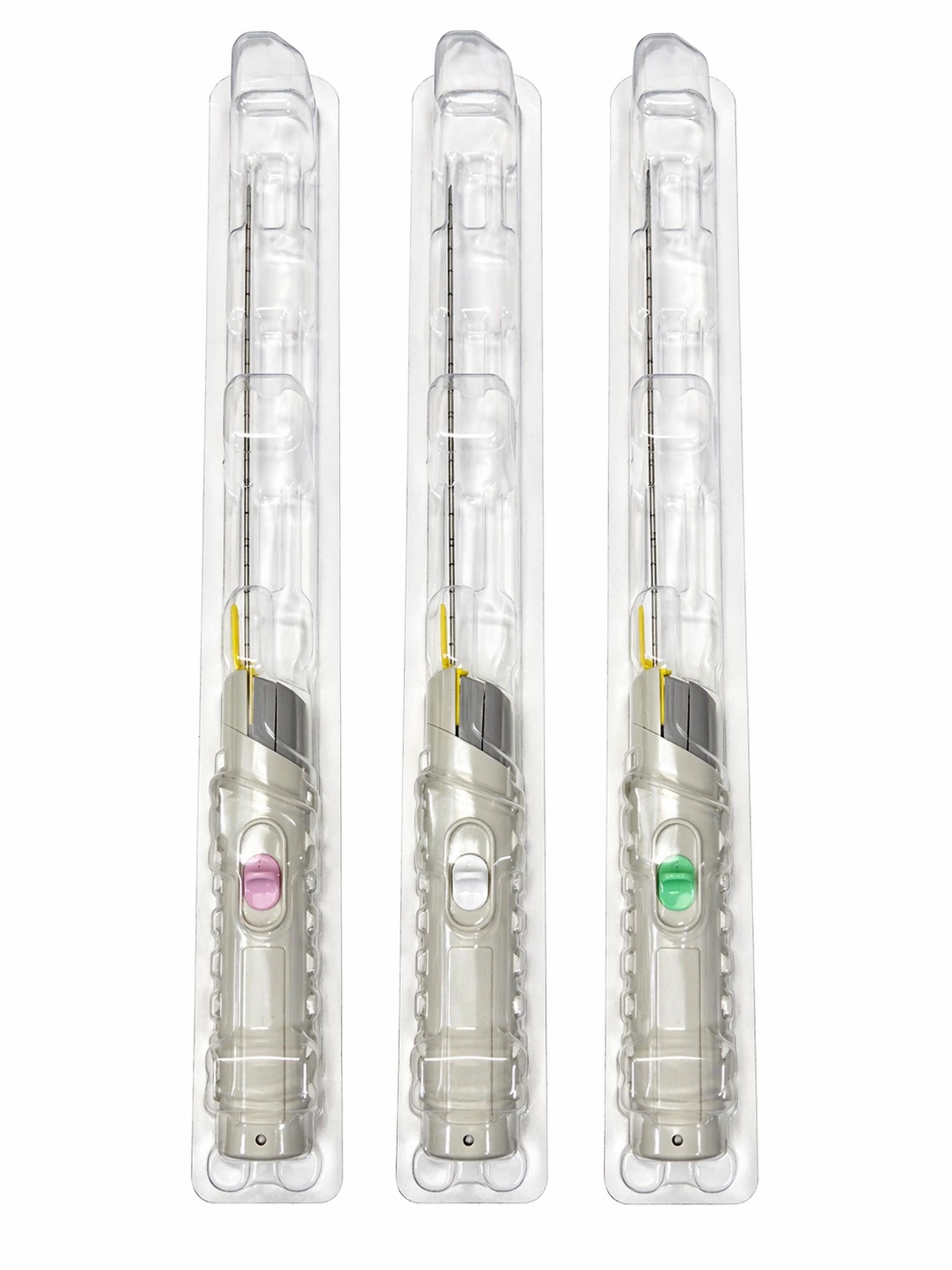
Automatic Biopsy Gun
Automatic Biopsy Gun
An Automatic Biopsy Gun in Kenya is a medical instrument used with compatible biopsy needles to obtain tissue samples for laboratory examination. It uses a controlled firing mechanism to advance the needle quickly into the targeted tissue and collect a core sample. Healthcare professionals can use automated biopsy systems during image-guided procedures where accurate tissue sampling is required.
Core Mechanisms of Automated Tissue Capture
An automatic biopsy gun uses a spring-loaded or similar firing mechanism to advance the biopsy needle at a controlled speed. Once activated, the needle moves into the target tissue and captures a cylindrical tissue sample.
Some systems use vacuum assistance or other automated mechanisms to improve tissue capture. The specific mechanism depends on the model and compatible biopsy needle.
Ergonomics and Trigger Systems
The design of the handle affects how easily healthcare professionals can control the instrument during a procedure. A well-designed handle should provide a secure grip and allow controlled activation.
Some automatic biopsy guns support single-handed operation, which can allow the clinician to maintain control of the imaging equipment or other instruments during the procedure. Weight and balance also affect handling and precision.
Material Composition and Echogenicity
Biopsy instruments commonly use medical-grade or surgical-grade stainless steel for components that require strength and durability. The biopsy needle works with the firing mechanism to obtain the tissue sample.
Some compatible needles feature echogenic tips or markings that improve visibility under ultrasound guidance. This can help clinicians identify the needle position during an image-guided biopsy.
Target Organ Applications
Automatic biopsy guns can support core needle biopsy procedures involving different organs and tissues. Depending on the needle and system, applications may include:
- Breast tissue
- Prostate
- Liver
- Kidney
- Lung
- Soft tissue lesions
The specific application depends on the biopsy needle, imaging method, target location, and clinical requirements.
Imaging Modality Compatibility
Automatic biopsy systems can be used with different imaging techniques depending on their design and materials.
Ultrasound guidance allows the clinician to view the needle and target area in real time. Some procedures may also use CT guidance to help position the needle accurately.
MRI-guided procedures require equipment and accessories designed specifically for the MRI environment. Non-magnetic or MRI-compatible biopsy systems may be available for these applications.
Sample Quality and Core Intactness
Automated firing provides a rapid and controlled needle movement that can help obtain consistent core samples. A suitable tissue core allows the laboratory to examine the sample for diagnosis and other clinical purposes.
Sample quality also depends on needle selection, target characteristics, imaging guidance, operator technique, and specimen handling. The automatic mechanism alone does not guarantee a particular sample quality.
Disposable vs. Reusable Systems
Automatic biopsy guns are available in different configurations. Some systems use a reusable firing device with compatible disposable biopsy needles, while others use single-use systems.
Reusable systems can reduce the need to replace the main firing instrument for every procedure but require appropriate cleaning and sterilization between uses.
Single-use systems reduce the need to reprocess the firing mechanism and can help simplify infection-control procedures. However, they may have higher per-procedure costs.
Healthcare facilities should consider infection-control requirements, procedure volume, equipment compatibility, and overall operating costs when selecting a system.
Minimizing Complications
The rapid firing action can reduce the time required for needle advancement and tissue capture. This may help make the sampling process more controlled and efficient.
However, complications such as bleeding, infection, pain, or tissue injury can still occur with biopsy procedures. Proper patient assessment, imaging guidance, sterile technique, and trained clinical practice remain essential.
Sterilization and Cross-Contamination Protocols
Reusable biopsy guns require appropriate cleaning, disinfection, and sterilization according to the manufacturer’s instructions. Staff should pay particular attention to areas that may come into contact with biological material.
Disposable needles and components should not be reused unless the manufacturer specifically approves them for reuse and provides validated reprocessing instructions.
Healthcare facilities should follow established infection-prevention protocols to reduce the risk of cross-contamination.
Leading Brands and Market Innovations
Several manufacturers have developed automatic biopsy systems for different clinical applications. Examples found in the market include Bard Magnum, Argon BioPince, and BD MaxCore systems.
These products can differ in firing mechanism, throw length, needle compatibility, imaging compatibility, and reusable or disposable configuration. Healthcare facilities should compare specifications and choose equipment that matches their intended procedures.
The Shift Toward Vacuum-Assisted Biopsy
Vacuum-assisted biopsy (VAB) systems represent another development in tissue sampling. These systems use vacuum assistance to draw tissue toward the needle and can collect multiple tissue samples during a procedure.
Compared with conventional core biopsy systems, VAB may allow the collection of a larger number of samples through a single needle placement. The appropriate system depends on the lesion, clinical objective, imaging method, and healthcare professional’s assessment.
Automatic Biopsy Gun in Kenya
An Automatic Biopsy Gun in Kenya can support image-guided core biopsy procedures in hospitals, diagnostic centres, and specialist healthcare facilities. When selecting one, consider the firing mechanism, throw length, needle compatibility, imaging requirements, reusable or disposable design, and manufacturer support.
Healthcare professionals should use the device only for its intended purpose and follow the manufacturer’s instructions and applicable clinical protocols.
Order a Desktop Infrared Heating Lamp for pain relief in Kenya now at The Farlays healthcare supplies ltd. We provide high-quality health equipment from trusted manufacturers, ensuring safety, reliability, and excellent performance.
Follow us on socials
Facebook: Farlay Healthcare Supplies
Instagram: THE FARLAYS HEALTHCARE SUPPLIES
Add a review
Your email address will not be published. Required fields are marked *