
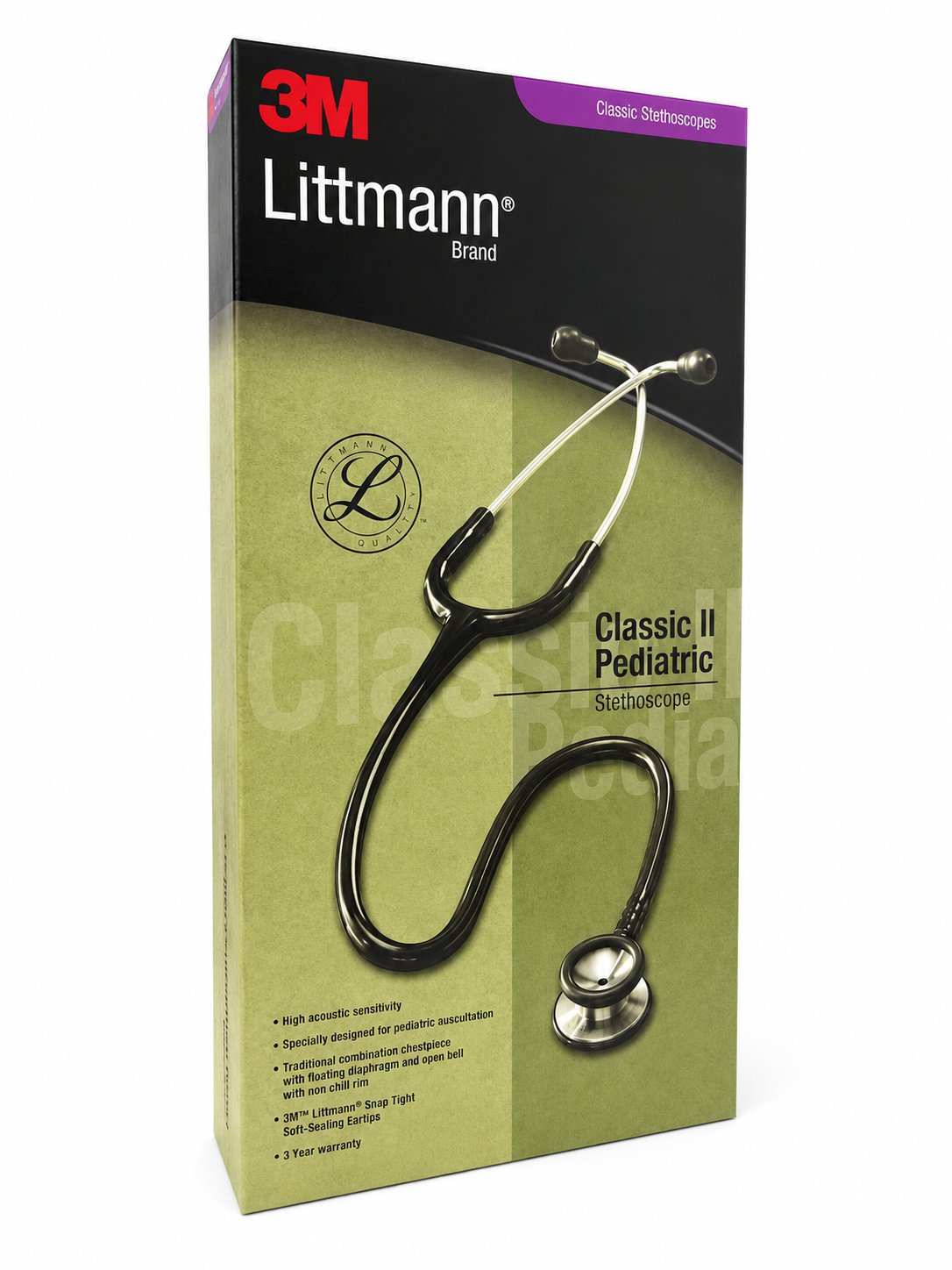
Types of Littmann Classic Stethoscopes and How to Choose the Best One
Types of Littmann Classic Stethoscopes and How to Choose the Best One
A stethoscope is one of the most essential diagnostic tools used by healthcare professionals. Among the many brands available, Littmann Classic Stethoscopes are renowned worldwide for their exceptional acoustic performance, durability, and comfort. Manufactured by 3M, Littmann stethoscopes are trusted by doctors, nurses, medical students, and other healthcare providers for accurate patient assessment.
Whether you’re purchasing your first stethoscope or upgrading to a better model, understanding the different types of Littmann Classic stethoscopes can help you make the right choice. This guide explores the most popular Classic models, their features, and how to choose the best one for your professional needs.
Why Choose a Littmann Classic Stethoscope?
Littmann stethoscopes have earned a strong reputation in the medical field because they offer:
- Superior acoustic sensitivity for accurate diagnosis
- High-quality, durable construction
- Comfortable and adjustable headset
- Soft-sealing ear tips for an excellent acoustic seal
- Long-lasting tubing that resists skin oils and alcohol
- Lightweight design for daily use
- Reliable performance in hospitals, clinics, and home healthcare settings
These features make Littmann stethoscopes a preferred choice for healthcare professionals worldwide.
Types of Littmann Classic Stethoscopes
1. Littmann Classic II Infant Stethoscope
The Littmann Classic II Infant is specifically designed for examining infants under one year of age. It features a small chestpiece that delivers excellent acoustic sensitivity for detecting subtle heart, lung, and bowel sounds.
Best for:
- Pediatricians
- Neonatal nurses
- Children’s hospitals
- Neonatal intensive care units (NICUs)
Key Features:
- Small chestpiece designed for infants
- Excellent sound clarity
- Comfortable pediatric headset
- Durable latex-free tubing
2. Littmann Classic II Pediatric Stethoscope
Designed for examining children, the Classic II Pediatric provides high acoustic sensitivity with a chestpiece sized specifically for pediatric patients.
Best for:
- Pediatricians
- Children’s clinics
- School health professionals
- Pediatric nurses
Key Features:
- Dual-sided chestpiece
- Optimized for pediatric examinations
- Comfortable ear tips
- Durable and lightweight construction
3. Littmann Classic III Stethoscope
The Littmann Classic III is the most popular model in the Classic series and is widely used by healthcare professionals around the world. It features a dual-sided stainless steel chestpiece with tunable diaphragms on both the adult and pediatric sides, allowing clinicians to hear different frequency sounds by simply adjusting pressure.
Best for:
- General practitioners
- Medical students
- Nurses
- Emergency medical personnel
- Family physicians
- Outpatient clinics
Key Features:
- Dual-sided chestpiece
- Tunable diaphragms on both sides
- Open or closed pediatric bell option
- Improved acoustic sensitivity
- Next-generation tubing with enhanced durability
- Wide range of color options
4. Littmann Classic III Monitoring Stethoscope
Some healthcare facilities refer to the Classic III as a monitoring stethoscope because of its versatility in routine patient assessments.
Ideal for:
- Daily clinical examinations
- Blood pressure monitoring
- Cardiac assessment
- Respiratory assessment
- General physical examinations
Benefits:
- Suitable for both adults and children
- Easy to carry during long shifts
- Reliable for everyday patient monitoring
Comparison of Littmann Classic Models
| Model | Best For | Patient Type | Acoustic Performance |
|---|---|---|---|
| Littmann Classic II Infant | Neonatal care | Infants | Excellent |
| Littmann Classic II Pediatric | Pediatric examinations | Children | Excellent |
| Littmann Classic III | General practice | Adults & Children | Outstanding |
| Littmann Classic III Monitoring | Routine assessments | Adults & Children | Outstanding |
How to Choose the Best Littmann Classic Stethoscope
Consider Your Medical Specialty
Your area of practice plays a major role in selecting the right stethoscope.
- Pediatricians should choose the Classic II Pediatric.
- Neonatal specialists should select the Classic II Infant.
- General practitioners, nurses, and medical students will benefit most from the Classic III.
Evaluate Acoustic Performance
If you need to detect subtle heart murmurs, lung sounds, or bowel sounds, choose a model with high acoustic sensitivity. The Classic III provides excellent sound quality for a wide range of clinical settings.
Choose the Right Chestpiece
Different patient groups require different chestpiece sizes.
- Infant chestpieces are designed for newborns.
- Pediatric chestpieces are suitable for children.
- Adult chestpieces are ideal for adolescents and adults.
The Classic III offers both adult and pediatric diaphragms, making it one of the most versatile options available.
Consider Comfort
Healthcare professionals often wear stethoscopes throughout long shifts. Look for:
- Lightweight construction
- Adjustable headset tension
- Soft-sealing ear tips
- Flexible tubing
These features improve comfort and reduce fatigue during extended use.
Check Durability
Littmann stethoscopes are built for daily clinical use, but selecting genuine products ensures long-term reliability. High-quality tubing and stainless steel chestpieces offer years of dependable performance with proper care.
Budget
While Littmann stethoscopes are a premium investment, they provide exceptional value due to their durability and performance. Medical students may find the Classic III offers the best balance between cost and functionality.
Tips for Maintaining Your Littmann Stethoscope
To extend the life of your stethoscope:
- Clean the chestpiece and ear tips after each use with 70% isopropyl alcohol or according to the manufacturer’s recommendations.
- Avoid exposing the tubing to extreme heat or prolonged direct sunlight.
- Store it in a clean, dry place.
- Keep it away from sharp objects that may damage the tubing.
- Replace ear tips if they become worn or loose.
- Inspect the tubing and chestpiece regularly for signs of wear.
Proper maintenance helps preserve acoustic performance and hygiene.
Consulting a healthcare professional can help determine the most suitable mattress for specific medical needs.
Follow us on socials
Facebook:Farlay Healthcare Supplies
Instagram: THE FARLAYS HEALTHCARE SUPPLIES
Add a review
Your email address will not be published. Required fields are marked *